Why "Product" is No Longer the Moat: The End of the Feature Factory!
We are witnessing the most significant shift in the economics of software since the advent of cloud computing.
 Jatin Kumar Malik First published on
 LinkedIn
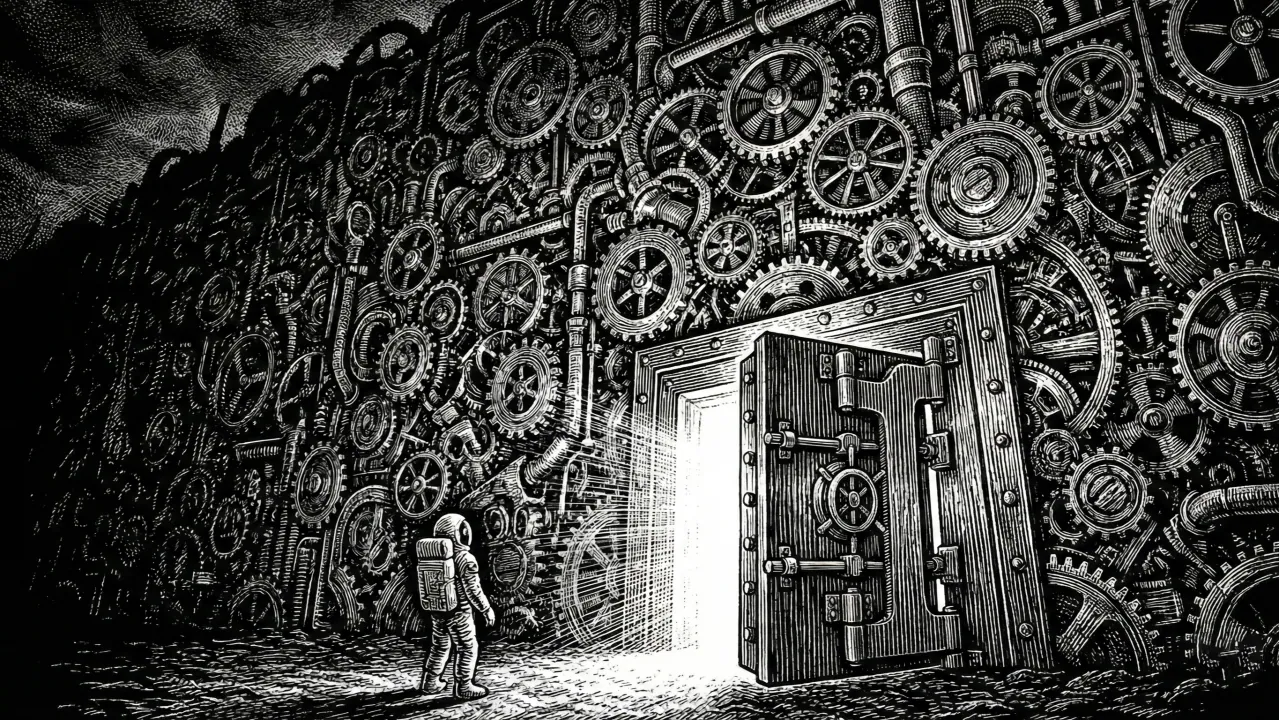
We are witnessing the most significant shift in the economics of software since the advent of cloud computing.
For the last two decades, the software industry was defined by scarcity. Building a robust, feature-rich application required teams of engineers, months of time, and significant capital. That scarcity was the “moat.” If you had the best features, you won the market.
In 2026, that scarcity is evaporating.
With the rise of autonomous AI agents and synthetic developers, the cost of generating standard software utility: project management, CRMs, basic workflows, is trending toward zero. We have entered the age of Infinite Software Supply.
When “building the thing” becomes trivial, “having the thing” is no longer a differentiator. So, where does the value go?
I believe the new moat isn’t in the product features, but in the infrastructure of trust.
As barriers to entry for coding fall, the barriers to entry for compliance and trust remain incredibly high. The companies that win in this decade won’t just be the ones with the slickest UI or the newest features (which can now be replicated in a weekend). They will be the ones that solve the “unsexy,” hard problems that AI cannot easily automate (yet):
- Regulatory Fortress: Navigating FedRAMP, SOC2, HIPAA, and C5 at a global scale.
- Data Sovereignty: Managing complex data residency laws across borders.
- Battle-Hardened Security: Offering the kind of indemnification and assurance that a “do-it-yourself” AI script can never provide.
- Massive Scale: Reliability at 99.999% uptime for millions of users.
We are moving from an era where we sold “tools” to an era where we sell “trust.”
The feature factory is dead. Long live the platform.
p.s: The opinions expressed here belong solely to me and do not reflect the views of my employer.
Keep reading
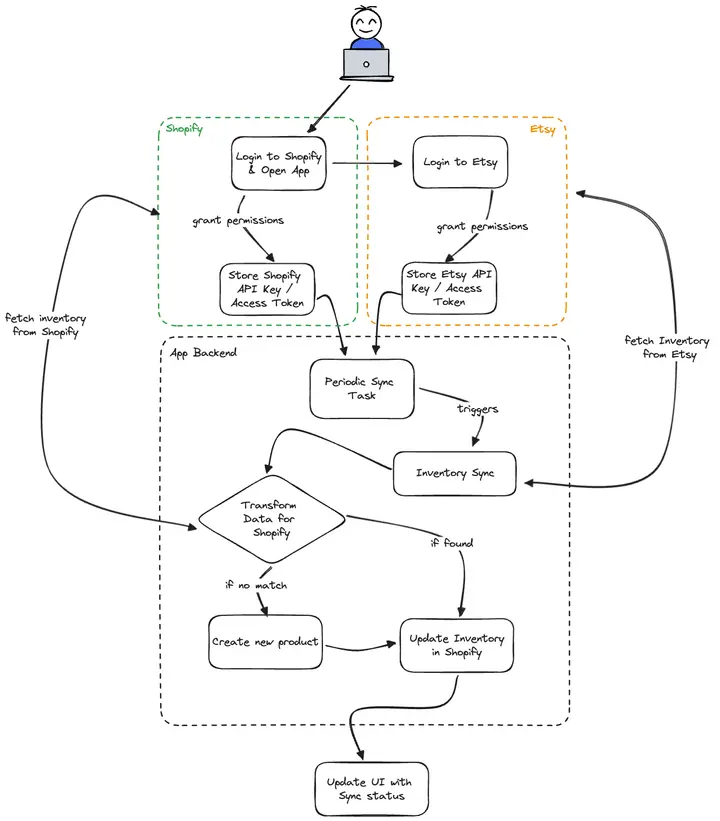
Speccing a Shopify app for a friend: Etsy-to-Shopify inventory sync
A friend needed a Shopify app that keeps stock in sync with Etsy. Before any code, I wrote him a spec to hand to a developer: scope, diagrams and a 70-hour initial estimate.
Face recognition on a Raspberry Pi 3 at Shuttl
We built face-recognition boarding for Shuttl on a Raspberry Pi 3 with Python and OpenCV. Low FPS, a crunch and a TV demo.
the "atmanirbhar" lie // why 🇮🇳 startup ecosystem love dropshippers and hate engineers?
you can't make this stuff up anons. the absolute state of the indian tech ecosystem on full display.
1 commentfrom LinkedIn
Carried over from the original post and read-only. Add a new comment below.
Love the framing
Leave a comment