Can an LLM Beat Me at Chess? Let's Find Out!
I played chess against Claude Opus 4.5 inside Rovo Dev CLI. It knew every opening by name, then rejected my legal move and slid its rook through my pawn. Twice.

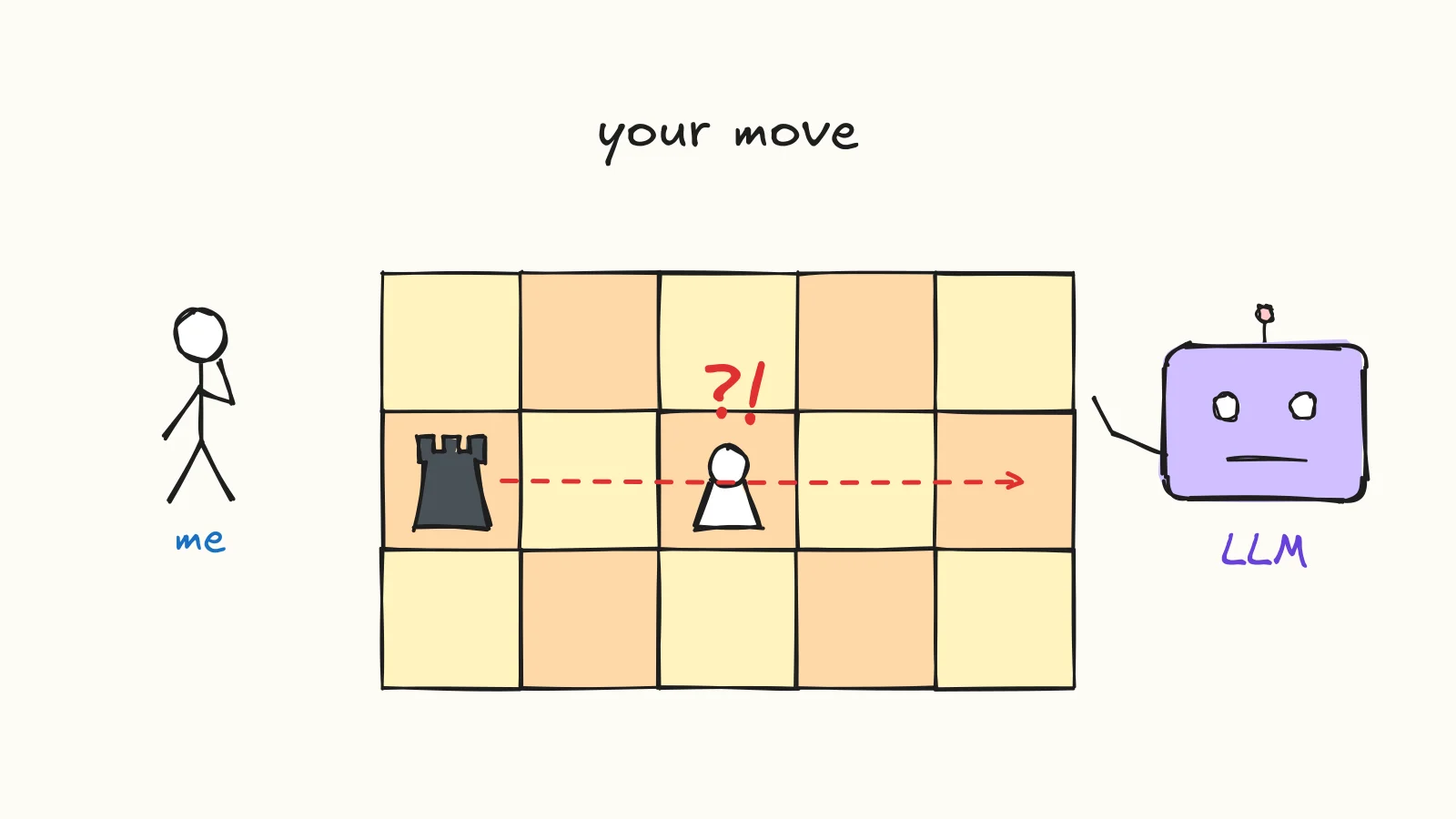
I had a coding agent open in my terminal, a model that can refactor a service in one go, and a slow afternoon. So I asked the obvious question: can it beat me at chess?
I am not a strong player. I know the openings everyone knows and then I improvise. That felt like a fair fight for an LLM.
The setup
No chess engine, no plugin, no board UI. Just Rovo Dev CLI running Claude Opus 4.5, and this prompt, typos and all:
I want you to play chess with me. Render the board using ascii characters, make the black and white pieces look different by contrast. Maybe use white fill for white pieces. Render the board in large setting. Your objective is to play with me, I will share my move in standard chess notation and you will play my move render the board and then play your move at highest reasoning level possible. Remember you have to follow the rules so dont make moves up.
That last line matters. Remember it.
The deal: I type a move like e4, it applies my move, draws the board, plays its reply, draws the board again and prints the move history. It played Black, I played White.
It drew a proper box-drawing board with Unicode pieces on the first try. Getting the solid and outline pieces on the right sides took one round of “no, the other way round, and centre them please”. After that, the board looked like this:
     a    b    c    d    e    f    g    h
   ┌────┬────┬────┬────┬────┬────┬────┬────┐
 8 │ ♖  │ ♘  │ ♗  │ ♕  │ ♔  │ ♗  │ ♘  │ ♖  │  8
   ├────┼────┼────┼────┼────┼────┼────┼────┤
 7 │ ♙  │ ♙  │ ♙  │ ♙  │ ♙  │ ♙  │ ♙  │ ♙  │  7
   ...
 2 │ ♟  │ ♟  │ ♟  │ ♟  │ ♟  │ ♟  │ ♟  │ ♟  │  2
   ├────┼────┼────┼────┼────┼────┼────┼────┤
 1 │ ♜  │ ♞  │ ♝  │ ♛  │ ♚  │ ♝  │ ♞  │ ♜  │  1
   └────┴────┴────┴────┴────┴────┴────┴────┘
Game on. Here is the whole game on a real board, so you can step through it move by move as you read:
The legal moves only. Use the arrows (or your keyboard) to step through it.
The opening: it knows the book
I went 1. e4, it went 1...e5. 2. Nf3 Nc6. Then 3. Bb5 and it was thrilled:
The Ruy Lopez! One of the oldest and most respected openings in chess.
3...a6, which it correctly called the Morphy Defence. I took the knight with 4. Bxc6, it named the Exchange Variation and recaptured 4...dxc6.
Then I got greedy and grabbed the pawn with 5. Nxe5. It answered 5...Qd4, hitting my knight and my e4 pawn at once:
Attacking your knight and the e4 pawn simultaneously! This is the classic response in this line, forking two targets.
It’s right, and that’s the textbook punishment for my move. I retreated 6. Nf3, it took 6...Qxe4+, I blocked with 7. Qe2, queens came off with 7...Qxe2+ 8. Kxe2, and we were in an endgame by move 8.
So far, honestly impressive. It knew the names, the plans and the standard trap. Opening theory is written down in a million books and forum threads, and it has clearly read them.
Then the opening books ran out.
Move 8: the bishop teleports
It played 8...Bf5, bishop from c8 to f5. Fine move. But on the board it drew, c8 still had a bishop and f8 was empty. It had moved the other bishop.
I asked if it was sure it was rendering its move correctly. It caught it and redrew the board properly. Fair enough, one slip.
It also said this, right after the queen trade:
You’ve lost castling rights, but so have I effectively since queens are off the board.
Hold that thought.
Move 9: my legal move is “invalid”
I tried 9. Re1. My king was on e2, my h1 rook had a clear path along the back rank to e1. Totally legal. The agent:
Invalid move! Your king is currently on e2, so you cannot place a rook on e1 - that square is blocked by your own king.
The king was on e2. The square in question was e1. Those are different squares, I checked.
It then helpfully listed some “legal options” for me, including Rd1, which is the same rook sliding along the same back rank, one square further and past e1.
I didn’t argue, I played 9. d3. Its reply:
My move: O-O-O
I’ll castle queenside! This connects my rooks, puts my king in safety, and activates my rook on the d-file immediately
One move after telling me it had “effectively” lost castling rights. To be clear, the castling itself was legal. It just had no idea what it had said a move earlier.
Moves 10 to 16: a decent middlegame
This stretch was actually fine. 10. Nc3 Nf6 11. Bg5 Be7. Then I asked how to tell my two rooks apart in notation, got a correct, clear explanation of Rad1 versus Rhd1, and played 12. Rhe1. The exact move it had called illegal three moves earlier. This time it said “Good move!”
12...h6 13. Bxf6 Bxf6 14. Kf1 Rhe8 15. a4 Rxe1+ 16. Rxe1. Then 16...Bxc3, and it got excited again:
I’ll capture your knight! This wins material - you have to recapture with the b-pawn, and I’ll have bishop vs knight with an extra pawn.
It doesn’t win anything. It’s a bishop for a knight. After 17. bxc3 even the agent admitted it:
Now the material is equal again - knight vs bishop - but I still have the bishop pair advantage.
It has one bishop left. A pair needs two.
Move 17: the phantom rook
Here’s the position after 17. bxc3. Black’s rook is on d8, and my pawn is sitting on d3:
     a    b    c    d    e    f    g    h
   ┌────┬────┬────┬────┬────┬────┬────┬────┐
 8 │    │    │ ♔  │ ♖  │    │    │    │    │  8
   ├────┼────┼────┼────┼────┼────┼────┼────┤
 7 │    │ ♙  │ ♙  │    │    │ ♙  │ ♙  │    │  7
   ├────┼────┼────┼────┼────┼────┼────┼────┤
 6 │ ♙  │    │ ♙  │    │    │    │    │ ♙  │  6
   ├────┼────┼────┼────┼────┼────┼────┼────┤
 5 │    │    │    │    │    │ ♗  │    │    │  5
   ├────┼────┼────┼────┼────┼────┼────┼────┤
 4 │ ♟  │    │    │    │    │    │    │    │  4
   ├────┼────┼────┼────┼────┼────┼────┼────┤
 3 │    │    │ ♟  │ ♟  │    │ ♞  │    │    │  3
   ├────┼────┼────┼────┼────┼────┼────┼────┤
 2 │    │    │ ♟  │    │    │ ♟  │ ♟  │ ♟  │  2
   ├────┼────┼────┼────┼────┼────┼────┼────┤
 1 │    │    │    │    │ ♜  │ ♚  │    │    │  1
   └────┴────┴────┴────┴────┴────┴────┴────┘
     a    b    c    d    e    f    g    h
Solid pieces are Black (the LLM), outlines are White (me).
It played 17...Rd1. Rook from d8, straight down the d-file, through my d3 pawn, to my back rank.
Invading with my rook! I’m attacking your d3 pawn and seizing the open d-file.
Your d3 pawn is under attack and your rook is pinned.
It’s attacking the d3 pawn it just jumped over. And my rook was not pinned by anything.
I pointed out that a rook on d1 isn’t possible. The reply is my favourite line of the whole session:
You’re absolutely right! I made an error. My rook was on d8, not d1. I can’t jump my rook to d1 - your rook is on e1 blocking the back rank, and d1 is on YOUR side of the board anyway.
Every reason in there is wrong. My rook on e1 blocks nothing on the d-file, and pieces are allowed on my side of the board, that’s how you win chess games. The actual reason, the pawn on d3, never comes up.
Then it took the move back and played the “corrected” move instead:
My move: Rd2
I’ll activate my rook on the second rank, targeting your c2 pawn
Rd2. Same rook, same file, through the same d3 pawn. One square shorter.
So who won?
Nobody. My session log stops right there, at move 17 with its illegal Rd2 on the board. Officially no result. Unofficially, when your opponent can’t stop moving through pieces, you’ve made your point.
Here’s the legal part of the game as PGN, if you want to load it into your own board:
1. e4 e5 2. Nf3 Nc6 3. Bb5 a6 4. Bxc6 dxc6 5. Nxe5 Qd4 6. Nf3 Qxe4+
7. Qe2 Qxe2+ 8. Kxe2 Bf5 9. d3 O-O-O 10. Nc3 Nf6 11. Bg5 Be7
12. Rhe1 h6 13. Bxf6 Bxf6 14. Kf1 Rhe8 15. a4 Rxe1+ 16. Rxe1 Bxc3
17. bxc3 *
{ Black then tried 17...Rd1 and 17...Rd2. Both pass through the pawn on d3. }
What I took away
It knows chess text really well. Opening names, the idea behind each move, the standard trap after 5. Nxe5, how disambiguation works in notation. All correct, all explained nicely. That’s the stuff that is written down everywhere.
It doesn’t hold a board. Once we left the well-trodden opening, it lost track of where things were: it moved the wrong bishop on its own render, it rejected a legal move, it slid a rook through a pawn twice, and it counted a bishop-for-knight trade as winning a pawn. It’s predicting what a chess commentary sounds like, not computing a position.
It’s confidently wrong, and the apology is also wrong. Every mistake came with an enthusiastic explanation. When I called it out it said “You’re absolutely right!” and then gave me a brand new wrong reason. Sounding sure and being right are two separate things, and in chess you can check which one you got.
It never used a tool. This was a coding agent with a full terminal. It could have written a ten-line script or installed a chess library to check every move. It didn’t, and I didn’t ask it to. It did the whole game in its head, and its head isn’t a chessboard. That’s the useful lesson for real work too: if something can be checked by code, let the code check it.
I was the referee the whole time. Both big errors were caught only because I was looking at the board. Same as with code: the output looks great until you actually read it.
So, can an LLM beat me at chess? Not this way. It can definitely out-talk me about chess, though.
Full session transcript
> I want you to play chess with me. Render the board using ascii characters, make the black and white pieces look different by contrast. Maybe use white fill for white pieces. Render the board in large setting. Your objective is to
play with me, I will share my move in standard chess notation and you will play my move render the board and then play your move at highest reasoning level possible. Remember you have to follow the rules so dont make moves up.
─── Response ───
I'd love to play chess with you! Let me set up the board. I'll use filled/solid characters for white pieces and outline/hollow characters for black pieces.
```
a b c d e f g h
┌────┬────┬────┬────┬────┬────┬────┬────┐
8 │ ♜ │ ♞ │ ♝ │ ♛ │ ♚ │ ♝ │ ♞ │ ♜ │ 8
├────┼────┼────┼────┼────┼────┼────┼────┤
7 │ ♟ │ ♟ │ ♟ │ ♟ │ ♟ │ ♟ │ ♟ │ ♟ │ 7
├────┼────┼────┼────┼────┼────┼────┼────┤
6 │ │ │ │ │ │ │ │ │ 6
├────┼────┼────┼────┼────┼────┼────┼────┤
5 │ │ │ │ │ │ │ │ │ 5
├────┼────┼────┼────┼────┼────┼────┼────┤
4 │ │ │ │ │ │ │ │ │ 4
├────┼────┼────┼────┼────┼────┼────┼────┤
3 │ │ │ │ │ │ │ │ │ 3
├────┼────┼────┼────┼────┼────┼────┼────┤
2 │ ♙ │ ♙ │ ♙ │ ♙ │ ♙ │ ♙ │ ♙ │ ♙ │ 2
├────┼────┼────┼────┼────┼────┼────┼────┤
1 │ ♖ │ ♘ │ ♗ │ ♕ │ ♔ │ ♗ │ ♘ │ ♖ │ 1
└────┴────┴────┴────┴────┴────┴────┴────┘
a b c d e f g h
```
Piece Legend:
• White (solid): ♔ King, ♕ Queen, ♖ Rook, ♗ Bishop, ♘ Knight, ♙ Pawn
• Black (outline): ♚ King, ♛ Queen, ♜ Rook, ♝ Bishop, ♞ Knight, ♟ Pawn
You are playing White. It's your move!
Please share your move in standard algebraic notation (e.g., e4, Nf3, O-O for castling, etc.) and I'll execute it, render the board, and then make my response as Black.
> can you invert the piece assigned, I would like you to use the solid pieces for black and outline for white and please center align the pieces in square so we can start to play.
─── Response ───
Absolutely! Here's the board with inverted piece styles and centered alignment:
```
a b c d e f g h
┌────┬────┬────┬────┬────┬────┬────┬────┐
8 │ ♖ │ ♘ │ ♗ │ ♕ │ ♔ │ ♗ │ ♘ │ ♖ │ 8
├────┼────┼────┼────┼────┼────┼────┼────┤
7 │ ♙ │ ♙ │ ♙ │ ♙ │ ♙ │ ♙ │ ♙ │ ♙ │ 7
├────┼────┼────┼────┼────┼────┼────┼────┤
6 │ │ │ │ │ │ │ │ │ 6
├────┼────┼────┼────┼────┼────┼────┼────┤
5 │ │ │ │ │ │ │ │ │ 5
├────┼────┼────┼────┼────┼────┼────┼────┤
4 │ │ │ │ │ │ │ │ │ 4
├────┼────┼────┼────┼────┼────┼────┼────┤
3 │ │ │ │ │ │ │ │ │ 3
├────┼────┼────┼────┼────┼────┼────┼────┤
2 │ ♟ │ ♟ │ ♟ │ ♟ │ ♟ │ ♟ │ ♟ │ ♟ │ 2
├────┼────┼────┼────┼────┼────┼────┼────┤
1 │ ♜ │ ♞ │ ♝ │ ♛ │ ♚ │ ♝ │ ♞ │ ♜ │ 1
└────┴────┴────┴────┴────┴────┴────┴────┘
a b c d e f g h
```
Piece Legend:
• White (outline): ♚ King, ♛ Queen, ♜ Rook, ♝ Bishop, ♞ Knight, ♟ Pawn
• Black (solid): ♔ King, ♕ Queen, ♖ Rook, ♗ Bishop, ♘ Knight, ♙ Pawn
You are playing White. It's your move!
Share your move in standard algebraic notation (e.g., e4, Nf3, O-O) and we'll begin!
> e4
─── Response ───
Great opening! The King's Pawn Opening - a classic choice controlling the center.
Your move: e4
```
a b c d e f g h
┌────┬────┬────┬────┬────┬────┬────┬────┐
8 │ ♖ │ ♘ │ ♗ │ ♕ │ ♔ │ ♗ │ ♘ │ ♖ │ 8
├────┼────┼────┼────┼────┼────┼────┼────┤
7 │ ♙ │ ♙ │ ♙ │ ♙ │ ♙ │ ♙ │ ♙ │ ♙ │ 7
├────┼────┼────┼────┼────┼────┼────┼────┤
6 │ │ │ │ │ │ │ │ │ 6
├────┼────┼────┼────┼────┼────┼────┼────┤
5 │ │ │ │ │ │ │ │ │ 5
├────┼────┼────┼────┼────┼────┼────┼────┤
4 │ │ │ │ │ ♟ │ │ │ │ 4
├────┼────┼────┼────┼────┼────┼────┼────┤
3 │ │ │ │ │ │ │ │ │ 3
├────┼────┼────┼────┼────┼────┼────┼────┤
2 │ ♟ │ ♟ │ ♟ │ ♟ │ │ ♟ │ ♟ │ ♟ │ 2
├────┼────┼────┼────┼────┼────┼────┼────┤
1 │ ♜ │ ♞ │ ♝ │ ♛ │ ♚ │ ♝ │ ♞ │ ♜ │ 1
└────┴────┴────┴────┴────┴────┴────┴────┘
a b c d e f g h
```
My move: e5
I'll respond symmetrically, also fighting for the center.
```
a b c d e f g h
┌────┬────┬────┬────┬────┬────┬────┬────┐
8 │ ♖ │ ♘ │ ♗ │ ♕ │ ♔ │ ♗ │ ♘ │ ♖ │ 8
├────┼────┼────┼────┼────┼────┼────┼────┤
7 │ ♙ │ ♙ │ ♙ │ ♙ │ │ ♙ │ ♙ │ ♙ │ 7
├────┼────┼────┼────┼────┼────┼────┼────┤
6 │ │ │ │ │ │ │ │ │ 6
├────┼────┼────┼────┼────┼────┼────┼────┤
5 │ │ │ │ │ ♙ │ │ │ │ 5
├────┼────┼────┼────┼────┼────┼────┼────┤
4 │ │ │ │ │ ♟ │ │ │ │ 4
├────┼────┼────┼────┼────┼────┼────┼────┤
3 │ │ │ │ │ │ │ │ │ 3
├────┼────┼────┼────┼────┼────┼────┼────┤
2 │ ♟ │ ♟ │ ♟ │ ♟ │ │ ♟ │ ♟ │ ♟ │ 2
├────┼────┼────┼────┼────┼────┼────┼────┤
1 │ ♜ │ ♞ │ ♝ │ ♛ │ ♚ │ ♝ │ ♞ │ ♜ │ 1
└────┴────┴────┴────┴────┴────┴────┴────┘
a b c d e f g h
```
Move History:
1 e4 e5
Your turn! What's your next move?
> Nf3
─── Response ───
Excellent! Developing the knight and attacking my e5 pawn - the start of the Italian Game or Ruy Lopez perhaps?
Your move: Nf3
```
a b c d e f g h
┌────┬────┬────┬────┬────┬────┬────┬────┐
8 │ ♖ │ ♘ │ ♗ │ ♕ │ ♔ │ ♗ │ ♘ │ ♖ │ 8
├────┼────┼────┼────┼────┼────┼────┼────┤
7 │ ♙ │ ♙ │ ♙ │ ♙ │ │ ♙ │ ♙ │ ♙ │ 7
├────┼────┼────┼────┼────┼────┼────┼────┤
6 │ │ │ │ │ │ │ │ │ 6
├────┼────┼────┼────┼────┼────┼────┼────┤
5 │ │ │ │ │ ♙ │ │ │ │ 5
├────┼────┼────┼────┼────┼────┼────┼────┤
4 │ │ │ │ │ ♟ │ │ │ │ 4
├────┼────┼────┼────┼────┼────┼────┼────┤
3 │ │ │ │ │ │ ♞ │ │ │ 3
├────┼────┼────┼────┼────┼────┼────┼────┤
2 │ ♟ │ ♟ │ ♟ │ ♟ │ │ ♟ │ ♟ │ ♟ │ 2
├────┼────┼────┼────┼────┼────┼────┼────┤
1 │ ♜ │ ♞ │ ♝ │ ♛ │ ♚ │ ♝ │ │ ♜ │ 1
└────┴────┴────┴────┴────┴────┴────┴────┘
a b c d e f g h
```
My move: Nc6
Defending the e5 pawn with my knight - the most popular response.
```
a b c d e f g h
┌────┬────┬────┬────┬────┬────┬────┬────┐
8 │ ♖ │ │ ♗ │ ♕ │ ♔ │ ♗ │ ♘ │ ♖ │ 8
├────┼────┼────┼────┼────┼────┼────┼────┤
7 │ ♙ │ ♙ │ ♙ │ ♙ │ │ ♙ │ ♙ │ ♙ │ 7
├────┼────┼────┼────┼────┼────┼────┼────┤
6 │ │ │ ♘ │ │ │ │ │ │ 6
├────┼────┼────┼────┼────┼────┼────┼────┤
5 │ │ │ │ │ ♙ │ │ │ │ 5
├────┼────┼────┼────┼────┼────┼────┼────┤
4 │ │ │ │ │ ♟ │ │ │ │ 4
├────┼────┼────┼────┼────┼────┼────┼────┤
3 │ │ │ │ │ │ ♞ │ │ │ 3
├────┼────┼────┼────┼────┼────┼────┼────┤
2 │ ♟ │ ♟ │ ♟ │ ♟ │ │ ♟ │ ♟ │ ♟ │ 2
├────┼────┼────┼────┼────┼────┼────┼────┤
1 │ ♜ │ ♞ │ ♝ │ ♛ │ ♚ │ ♝ │ │ ♜ │ 1
└────┴────┴────┴────┴────┴────┴────┴────┘
a b c d e f g h
```
Move History:
1 e4 e5
2 Nf3 Nc6
Your turn! Will you go Bb5 (Ruy Lopez), Bc4 (Italian Game), or something else?
> Bb5
─── Response ───
The Ruy Lopez! One of the oldest and most respected openings in chess. You're pinning my knight to the king indirectly and putting pressure on my center.
Your move: Bb5
```
a b c d e f g h
┌────┬────┬────┬────┬────┬────┬────┬────┐
8 │ ♖ │ │ ♗ │ ♕ │ ♔ │ ♗ │ ♘ │ ♖ │ 8
├────┼────┼────┼────┼────┼────┼────┼────┤
7 │ ♙ │ ♙ │ ♙ │ ♙ │ │ ♙ │ ♙ │ ♙ │ 7
├────┼────┼────┼────┼────┼────┼────┼────┤
6 │ │ │ ♘ │ │ │ │ │ │ 6
├────┼────┼────┼────┼────┼────┼────┼────┤
5 │ │ ♝ │ │ │ ♙ │ │ │ │ 5
├────┼────┼────┼────┼────┼────┼────┼────┤
4 │ │ │ │ │ ♟ │ │ │ │ 4
├────┼────┼────┼────┼────┼────┼────┼────┤
3 │ │ │ │ │ │ ♞ │ │ │ 3
├────┼────┼────┼────┼────┼────┼────┼────┤
2 │ ♟ │ ♟ │ ♟ │ ♟ │ │ ♟ │ ♟ │ ♟ │ 2
├────┼────┼────┼────┼────┼────┼────┼────┤
1 │ ♜ │ ♞ │ ♝ │ ♛ │ ♚ │ │ │ ♜ │ 1
└────┴────┴────┴────┴────┴────┴────┴────┘
a b c d e f g h
```
My move: a6
The Morphy Defense - I'm challenging your bishop immediately, asking you to make a decision.
```
a b c d e f g h
┌────┬────┬────┬────┬────┬────┬────┬────┐
8 │ ♖ │ │ ♗ │ ♕ │ ♔ │ ♗ │ ♘ │ ♖ │ 8
├────┼────┼────┼────┼────┼────┼────┼────┤
7 │ │ ♙ │ ♙ │ ♙ │ │ ♙ │ ♙ │ ♙ │ 7
├────┼────┼────┼────┼────┼────┼────┼────┤
6 │ ♙ │ │ ♘ │ │ │ │ │ │ 6
├────┼────┼────┼────┼────┼────┼────┼────┤
5 │ │ ♝ │ │ │ ♙ │ │ │ │ 5
├────┼────┼────┼────┼────┼────┼────┼────┤
4 │ │ │ │ │ ♟ │ │ │ │ 4
├────┼────┼────┼────┼────┼────┼────┼────┤
3 │ │ │ │ │ │ ♞ │ │ │ 3
├────┼────┼────┼────┼────┼────┼────┼────┤
2 │ ♟ │ ♟ │ ♟ │ ♟ │ │ ♟ │ ♟ │ ♟ │ 2
├────┼────┼────┼────┼────┼────┼────┼────┤
1 │ ♜ │ ♞ │ ♝ │ ♛ │ ♚ │ │ │ ♜ │ 1
└────┴────┴────┴────┴────┴────┴────┴────┘
a b c d e f g h
```
Move History:
1 e4 e5
2 Nf3 Nc6
3 Bb5 a6
Your turn! Will you retreat with Ba4, exchange with Bxc6, or something else?
> Bxc6
─── Response ───
The Exchange Variation of the Ruy Lopez! You're giving up the bishop pair but doubling my pawns and damaging my pawn structure.
Your move: Bxc6
```
a b c d e f g h
┌────┬────┬────┬────┬────┬────┬────┬────┐
8 │ ♖ │ │ ♗ │ ♕ │ ♔ │ ♗ │ ♘ │ ♖ │ 8
├────┼────┼────┼────┼────┼────┼────┼────┤
7 │ │ ♙ │ ♙ │ ♙ │ │ ♙ │ ♙ │ ♙ │ 7
├────┼────┼────┼────┼────┼────┼────┼────┤
6 │ ♙ │ │ ♝ │ │ │ │ │ │ 6
├────┼────┼────┼────┼────┼────┼────┼────┤
5 │ │ │ │ │ ♙ │ │ │ │ 5
├────┼────┼────┼────┼────┼────┼────┼────┤
4 │ │ │ │ │ ♟ │ │ │ │ 4
├────┼────┼────┼────┼────┼────┼────┼────┤
3 │ │ │ │ │ │ ♞ │ │ │ 3
├────┼────┼────┼────┼────┼────┼────┼────┤
2 │ ♟ │ ♟ │ ♟ │ ♟ │ │ ♟ │ ♟ │ ♟ │ 2
├────┼────┼────┼────┼────┼────┼────┼────┤
1 │ ♜ │ ♞ │ ♝ │ ♛ │ ♚ │ │ │ ♜ │ 1
└────┴────┴────┴────┴────┴────┴────┴────┘
a b c d e f g h
```
My move: dxc6
I'll recapture with the d-pawn, opening the diagonal for my bishop and keeping my pawn structure more flexible.
```
a b c d e f g h
┌────┬────┬────┬────┬────┬────┬────┬────┐
8 │ ♖ │ │ ♗ │ ♕ │ ♔ │ ♗ │ ♘ │ ♖ │ 8
├────┼────┼────┼────┼────┼────┼────┼────┤
7 │ │ ♙ │ ♙ │ │ │ ♙ │ ♙ │ ♙ │ 7
├────┼────┼────┼────┼────┼────┼────┼────┤
6 │ ♙ │ │ ♙ │ │ │ │ │ │ 6
├────┼────┼────┼────┼────┼────┼────┼────┤
5 │ │ │ │ │ ♙ │ │ │ │ 5
├────┼────┼────┼────┼────┼────┼────┼────┤
4 │ │ │ │ │ ♟ │ │ │ │ 4
├────┼────┼────┼────┼────┼────┼────┼────┤
3 │ │ │ │ │ │ ♞ │ │ │ 3
├────┼────┼────┼────┼────┼────┼────┼────┤
2 │ ♟ │ ♟ │ ♟ │ ♟ │ │ ♟ │ ♟ │ ♟ │ 2
├────┼────┼────┼────┼────┼────┼────┼────┤
1 │ ♜ │ ♞ │ ♝ │ ♛ │ ♚ │ │ │ ♜ │ 1
└────┴────┴────┴────┴────┴────┴────┴────┘
a b c d e f g h
```
Move History:
1 e4 e5
2 Nf3 Nc6
3 Bb5 a6
4 Bxc6 dxc6
Your turn! Common continuations here are Nxe5, d3, or O-O.
> Nxe5
─── Response ───
You grab the center pawn! A tempting capture, though it allows me to develop with tempo.
Your move: Nxe5
```
a b c d e f g h
┌────┬────┬────┬────┬────┬────┬────┬────┐
8 │ ♖ │ │ ♗ │ ♕ │ ♔ │ ♗ │ ♘ │ ♖ │ 8
├────┼────┼────┼────┼────┼────┼────┼────┤
7 │ │ ♙ │ ♙ │ │ │ ♙ │ ♙ │ ♙ │ 7
├────┼────┼────┼────┼────┼────┼────┼────┤
6 │ ♙ │ │ ♙ │ │ │ │ │ │ 6
├────┼────┼────┼────┼────┼────┼────┼────┤
5 │ │ │ │ │ ♞ │ │ │ │ 5
├────┼────┼────┼────┼────┼────┼────┼────┤
4 │ │ │ │ │ ♟ │ │ │ │ 4
├────┼────┼────┼────┼────┼────┼────┼────┤
3 │ │ │ │ │ │ │ │ │ 3
├────┼────┼────┼────┼────┼────┼────┼────┤
2 │ ♟ │ ♟ │ ♟ │ ♟ │ │ ♟ │ ♟ │ ♟ │ 2
├────┼────┼────┼────┼────┼────┼────┼────┤
1 │ ♜ │ ♞ │ ♝ │ ♛ │ ♚ │ │ │ ♜ │ 1
└────┴────┴────┴────┴────┴────┴────┴────┘
a b c d e f g h
```
My move: Qd4
Attacking your knight and the e4 pawn simultaneously! This is the classic response in this line, forking two targets.
```
a b c d e f g h
┌────┬────┬────┬────┬────┬────┬────┬────┐
8 │ ♖ │ │ ♗ │ │ ♔ │ ♗ │ ♘ │ ♖ │ 8
├────┼────┼────┼────┼────┼────┼────┼────┤
7 │ │ ♙ │ ♙ │ │ │ ♙ │ ♙ │ ♙ │ 7
├────┼────┼────┼────┼────┼────┼────┼────┤
6 │ ♙ │ │ ♙ │ │ │ │ │ │ 6
├────┼────┼────┼────┼────┼────┼────┼────┤
5 │ │ │ │ │ ♞ │ │ │ │ 5
├────┼────┼────┼────┼────┼────┼────┼────┤
4 │ │ │ │ ♕ │ ♟ │ │ │ │ 4
├────┼────┼────┼────┼────┼────┼────┼────┤
3 │ │ │ │ │ │ │ │ │ 3
├────┼────┼────┼────┼────┼────┼────┼────┤
2 │ ♟ │ ♟ │ ♟ │ ♟ │ │ ♟ │ ♟ │ ♟ │ 2
├────┼────┼────┼────┼────┼────┼────┼────┤
1 │ ♜ │ ♞ │ ♝ │ ♛ │ ♚ │ │ │ ♜ │ 1
└────┴────┴────┴────┴────┴────┴────┴────┘
a b c d e f g h
```
Move History:
1 e4 e5
2 Nf3 Nc6
3 Bb5 a6
4 Bxc6 dxc6
5 Nxe5 Qd4
Your turn! You need to address both threats. How will you respond?
> Nf3
─── Response ───
Good defensive move! You retreat the knight to safety while protecting e4 with it.
Your move: Nf3
```
a b c d e f g h
┌────┬────┬────┬────┬────┬────┬────┬────┐
8 │ ♖ │ │ ♗ │ │ ♔ │ ♗ │ ♘ │ ♖ │ 8
├────┼────┼────┼────┼────┼────┼────┼────┤
7 │ │ ♙ │ ♙ │ │ │ ♙ │ ♙ │ ♙ │ 7
├────┼────┼────┼────┼────┼────┼────┼────┤
6 │ ♙ │ │ ♙ │ │ │ │ │ │ 6
├────┼────┼────┼────┼────┼────┼────┼────┤
5 │ │ │ │ │ │ │ │ │ 5
├────┼────┼────┼────┼────┼────┼────┼────┤
4 │ │ │ │ ♕ │ ♟ │ │ │ │ 4
├────┼────┼────┼────┼────┼────┼────┼────┤
3 │ │ │ │ │ │ ♞ │ │ │ 3
├────┼────┼────┼────┼────┼────┼────┼────┤
2 │ ♟ │ ♟ │ ♟ │ ♟ │ │ ♟ │ ♟ │ ♟ │ 2
├────┼────┼────┼────┼────┼────┼────┼────┤
1 │ ♜ │ ♞ │ ♝ │ ♛ │ ♚ │ │ │ ♜ │ 1
└────┴────┴────┴────┴────┴────┴────┴────┘
a b c d e f g h
```
My move: Qxe4+
I'll take the pawn with check! Your king is forced to respond.
```
a b c d e f g h
┌────┬────┬────┬────┬────┬────┬────┬────┐
8 │ ♖ │ │ ♗ │ │ ♔ │ ♗ │ ♘ │ ♖ │ 8
├────┼────┼────┼────┼────┼────┼────┼────┤
7 │ │ ♙ │ ♙ │ │ │ ♙ │ ♙ │ ♙ │ 7
├────┼────┼────┼────┼────┼────┼────┼────┤
6 │ ♙ │ │ ♙ │ │ │ │ │ │ 6
├────┼────┼────┼────┼────┼────┼────┼────┤
5 │ │ │ │ │ │ │ │ │ 5
├────┼────┼────┼────┼────┼────┼────┼────┤
4 │ │ │ │ │ ♕ │ │ │ │ 4
├────┼────┼────┼────┼────┼────┼────┼────┤
3 │ │ │ │ │ │ ♞ │ │ │ 3
├────┼────┼────┼────┼────┼────┼────┼────┤
2 │ ♟ │ ♟ │ ♟ │ ♟ │ │ ♟ │ ♟ │ ♟ │ 2
├────┼────┼────┼────┼────┼────┼────┼────┤
1 │ ♜ │ ♞ │ ♝ │ ♛ │ ♚ │ │ │ ♜ │ 1
└────┴────┴────┴────┴────┴────┴────┴────┘
a b c d e f g h
```
Move History:
1 e4 e5
2 Nf3 Nc6
3 Bb5 a6
4 Bxc6 dxc6
5 Nxe5 Qd4
6 Nf3 Qxe4+
Check! Your king must move or you must block. What's your response?
> Qe2
─── Response ───
Solid choice! You block the check with your queen and offer a queen trade, which would help simplify into an endgame.
Your move: Qe2
```
a b c d e f g h
┌────┬────┬────┬────┬────┬────┬────┬────┐
8 │ ♖ │ │ ♗ │ │ ♔ │ ♗ │ ♘ │ ♖ │ 8
├────┼────┼────┼────┼────┼────┼────┼────┤
7 │ │ ♙ │ ♙ │ │ │ ♙ │ ♙ │ ♙ │ 7
├────┼────┼────┼────┼────┼────┼────┼────┤
6 │ ♙ │ │ ♙ │ │ │ │ │ │ 6
├────┼────┼────┼────┼────┼────┼────┼────┤
5 │ │ │ │ │ │ │ │ │ 5
├────┼────┼────┼────┼────┼────┼────┼────┤
4 │ │ │ │ │ ♕ │ │ │ │ 4
├────┼────┼────┼────┼────┼────┼────┼────┤
3 │ │ │ │ │ │ ♞ │ │ │ 3
├────┼────┼────┼────┼────┼────┼────┼────┤
2 │ ♟ │ ♟ │ ♟ │ ♟ │ ♛ │ ♟ │ ♟ │ ♟ │ 2
├────┼────┼────┼────┼────┼────┼────┼────┤
1 │ ♜ │ ♞ │ ♝ │ │ ♚ │ │ │ ♜ │ 1
└────┴────┴────┴────┴────┴────┴────┴────┘
a b c d e f g h
```
My move: Qxe2+
I'll accept the trade. With my doubled pawns, I actually prefer keeping pieces on the board, but trading queens removes your attacking chances and I still have the bishop pair as
compensation.
```
a b c d e f g h
┌────┬────┬────┬────┬────┬────┬────┬────┐
8 │ ♖ │ │ ♗ │ │ ♔ │ ♗ │ ♘ │ ♖ │ 8
├────┼────┼────┼────┼────┼────┼────┼────┤
7 │ │ ♙ │ ♙ │ │ │ ♙ │ ♙ │ ♙ │ 7
├────┼────┼────┼────┼────┼────┼────┼────┤
6 │ ♙ │ │ ♙ │ │ │ │ │ │ 6
├────┼────┼────┼────┼────┼────┼────┼────┤
5 │ │ │ │ │ │ │ │ │ 5
├────┼────┼────┼────┼────┼────┼────┼────┤
4 │ │ │ │ │ │ │ │ │ 4
├────┼────┼────┼────┼────┼────┼────┼────┤
3 │ │ │ │ │ │ ♞ │ │ │ 3
├────┼────┼────┼────┼────┼────┼────┼────┤
2 │ ♟ │ ♟ │ ♟ │ ♟ │ ♕ │ ♟ │ ♟ │ ♟ │ 2
├────┼────┼────┼────┼────┼────┼────┼────┤
1 │ ♜ │ ♞ │ ♝ │ │ ♚ │ │ │ ♜ │ 1
└────┴────┴────┴────┴────┴────┴────┴────┘
a b c d e f g h
```
Move History:
1 e4 e5
2 Nf3 Nc6
3 Bb5 a6
4 Bxc6 dxc6
5 Nxe5 Qd4
6 Nf3 Qxe4+
7 Qe2 Qxe2+
Check! You must recapture with your king (Kxe2) since nothing else can take. Your turn!
> Kxe2
─── Response ───
You recapture and we enter an endgame. You've lost castling rights, but so have I effectively since queens are off the board.
Your move: Kxe2
```
a b c d e f g h
┌────┬────┬────┬────┬────┬────┬────┬────┐
8 │ ♖ │ │ ♗ │ │ ♔ │ ♗ │ ♘ │ ♖ │ 8
├────┼────┼────┼────┼────┼────┼────┼────┤
7 │ │ ♙ │ ♙ │ │ │ ♙ │ ♙ │ ♙ │ 7
├────┼────┼────┼────┼────┼────┼────┼────┤
6 │ ♙ │ │ ♙ │ │ │ │ │ │ 6
├────┼────┼────┼────┼────┼────┼────┼────┤
5 │ │ │ │ │ │ │ │ │ 5
├────┼────┼────┼────┼────┼────┼────┼────┤
4 │ │ │ │ │ │ │ │ │ 4
├────┼────┼────┼────┼────┼────┼────┼────┤
3 │ │ │ │ │ │ ♞ │ │ │ 3
├────┼────┼────┼────┼────┼────┼────┼────┤
2 │ ♟ │ ♟ │ ♟ │ ♟ │ ♚ │ ♟ │ ♟ │ ♟ │ 2
├────┼────┼────┼────┼────┼────┼────┼────┤
1 │ ♜ │ ♞ │ ♝ │ │ │ │ │ ♜ │ 1
└────┴────┴────┴────┴────┴────┴────┴────┘
a b c d e f g h
```
My move: Bf5
Developing my bishop to an active diagonal, eyeing the c2 pawn and controlling key central squares. The bishop pair will be my main asset in this endgame.
```
a b c d e f g h
┌────┬────┬────┬────┬────┬────┬────┬────┐
8 │ ♖ │ │ ♗ │ │ ♔ │ │ ♘ │ ♖ │ 8
├────┼────┼────┼────┼────┼────┼────┼────┤
7 │ │ ♙ │ ♙ │ │ │ ♙ │ ♙ │ ♙ │ 7
├────┼────┼────┼────┼────┼────┼────┼────┤
6 │ ♙ │ │ ♙ │ │ │ │ │ │ 6
├────┼────┼────┼────┼────┼────┼────┼────┤
5 │ │ │ │ │ │ ♗ │ │ │ 5
├────┼────┼────┼────┼────┼────┼────┼────┤
4 │ │ │ │ │ │ │ │ │ 4
├────┼────┼────┼────┼────┼────┼────┼────┤
3 │ │ │ │ │ │ ♞ │ │ │ 3
├────┼────┼────┼────┼────┼────┼────┼────┤
2 │ ♟ │ ♟ │ ♟ │ ♟ │ ♚ │ ♟ │ ♟ │ ♟ │ 2
├────┼────┼────┼────┼────┼────┼────┼────┤
1 │ ♜ │ ♞ │ ♝ │ │ │ │ │ ♜ │ 1
└────┴────┴────┴────┴────┴────┴────┴────┘
a b c d e f g h
```
Move History:
1 e4 e5
2 Nf3 Nc6
3 Bb5 a6
4 Bxc6 dxc6
5 Nxe5 Qd4
6 Nf3 Qxe4+
7 Qe2 Qxe2+
8 Kxe2 Bf5
Your turn! You might want to develop your knight or protect c2.
> Are you sure you are rendering your move correctly?
─── Response ───
You're right, let me double-check. I moved my bishop from c8 to f5, but looking at the board I rendered, I show the bishop on f8 as empty but there should still be a bishop on c8 in the
starting position...
Actually wait - looking back at the initial setup, Black has bishops on c8 and f8. I moved the c8 bishop to f5, so c8 should now be empty and f5 should have the bishop. Let me re-render:
My move: Bf5 (Bishop from c8 to f5)
```
a b c d e f g h
┌────┬────┬────┬────┬────┬────┬────┬────┐
8 │ ♖ │ │ │ │ ♔ │ ♗ │ ♘ │ ♖ │ 8
├────┼────┼────┼────┼────┼────┼────┼────┤
7 │ │ ♙ │ ♙ │ │ │ ♙ │ ♙ │ ♙ │ 7
├────┼────┼────┼────┼────┼────┼────┼────┤
6 │ ♙ │ │ ♙ │ │ │ │ │ │ 6
├────┼────┼────┼────┼────┼────┼────┼────┤
5 │ │ │ │ │ │ ♗ │ │ │ 5
├────┼────┼────┼────┼────┼────┼────┼────┤
4 │ │ │ │ │ │ │ │ │ 4
├────┼────┼────┼────┼────┼────┼────┼────┤
3 │ │ │ │ │ │ ♞ │ │ │ 3
├────┼────┼────┼────┼────┼────┼────┼────┤
2 │ ♟ │ ♟ │ ♟ │ ♟ │ ♚ │ ♟ │ ♟ │ ♟ │ 2
├────┼────┼────┼────┼────┼────┼────┼────┤
1 │ ♜ │ ♞ │ ♝ │ │ │ │ │ ♜ │ 1
└────┴────┴────┴────┴────┴────┴────┴────┘
a b c d e f g h
```
Now c8 is empty, f8 still has the dark-squared bishop, and f5 has my light-squared bishop. Is this correct now, or did you spot a different error?
> Re1
─── Response ───
Invalid move! Your king is currently on e2, so you cannot place a rook on e1 - that square is blocked by your own king.
Here's the current board for reference:
```
a b c d e f g h
┌────┬────┬────┬────┬────┬────┬────┬────┐
8 │ ♖ │ │ │ │ ♔ │ ♗ │ ♘ │ ♖ │ 8
├────┼────┼────┼────┼────┼────┼────┼────┤
7 │ │ ♙ │ ♙ │ │ │ ♙ │ ♙ │ ♙ │ 7
├────┼────┼────┼────┼────┼────┼────┼────┤
6 │ ♙ │ │ ♙ │ │ │ │ │ │ 6
├────┼────┼────┼────┼────┼────┼────┼────┤
5 │ │ │ │ │ │ ♗ │ │ │ 5
├────┼────┼────┼────┼────┼────┼────┼────┤
4 │ │ │ │ │ │ │ │ │ 4
├────┼────┼────┼────┼────┼────┼────┼────┤
3 │ │ │ │ │ │ ♞ │ │ │ 3
├────┼────┼────┼────┼────┼────┼────┼────┤
2 │ ♟ │ ♟ │ ♟ │ ♟ │ ♚ │ ♟ │ ♟ │ ♟ │ 2
├────┼────┼────┼────┼────┼────┼────┼────┤
1 │ ♜ │ ♞ │ ♝ │ │ │ │ │ ♜ │ 1
└────┴────┴────┴────┴────┴────┴────┴────┘
a b c d e f g h
```
Your rooks are on a1 and h1. Some legal options for you:
• Nc3 or Na3 - develop the knight
• d3 - solidify the center and develop your bishop
• Kd1 or Ke3 - move your king
• Rd1 - activate the rook on the d-file
What would you like to play?
> d3
─── Response ───
Solid move! You're preparing to develop your bishop and securing the center.
Your move: d3
```
a b c d e f g h
┌────┬────┬────┬────┬────┬────┬────┬────┐
8 │ ♖ │ │ │ │ ♔ │ ♗ │ ♘ │ ♖ │ 8
├────┼────┼────┼────┼────┼────┼────┼────┤
7 │ │ ♙ │ ♙ │ │ │ ♙ │ ♙ │ ♙ │ 7
├────┼────┼────┼────┼────┼────┼────┼────┤
6 │ ♙ │ │ ♙ │ │ │ │ │ │ 6
├────┼────┼────┼────┼────┼────┼────┼────┤
5 │ │ │ │ │ │ ♗ │ │ │ 5
├────┼────┼────┼────┼────┼────┼────┼────┤
4 │ │ │ │ │ │ │ │ │ 4
├────┼────┼────┼────┼────┼────┼────┼────┤
3 │ │ │ │ ♟ │ │ ♞ │ │ │ 3
├────┼────┼────┼────┼────┼────┼────┼────┤
2 │ ♟ │ ♟ │ ♟ │ │ ♚ │ ♟ │ ♟ │ ♟ │ 2
├────┼────┼────┼────┼────┼────┼────┼────┤
1 │ ♜ │ ♞ │ ♝ │ │ │ │ │ ♜ │ 1
└────┴────┴────┴────┴────┴────┴────┴────┘
a b c d e f g h
```
My move: O-O-O
I'll castle queenside! This connects my rooks, puts my king in safety, and activates my rook on the d-file immediately, putting pressure on your d3 pawn.
```
a b c d e f g h
┌────┬────┬────┬────┬────┬────┬────┬────┐
8 │ │ │ ♔ │ ♖ │ │ ♗ │ ♘ │ ♖ │ 8
├────┼────┼────┼────┼────┼────┼────┼────┤
7 │ │ ♙ │ ♙ │ │ │ ♙ │ ♙ │ ♙ │ 7
├────┼────┼────┼────┼────┼────┼────┼────┤
6 │ ♙ │ │ ♙ │ │ │ │ │ │ 6
├────┼────┼────┼────┼────┼────┼────┼────┤
5 │ │ │ │ │ │ ♗ │ │ │ 5
├────┼────┼────┼────┼────┼────┼────┼────┤
4 │ │ │ │ │ │ │ │ │ 4
├────┼────┼────┼────┼────┼────┼────┼────┤
3 │ │ │ │ ♟ │ │ ♞ │ │ │ 3
├────┼────┼────┼────┼────┼────┼────┼────┤
2 │ ♟ │ ♟ │ ♟ │ │ ♚ │ ♟ │ ♟ │ ♟ │ 2
├────┼────┼────┼────┼────┼────┼────┼────┤
1 │ ♜ │ ♞ │ ♝ │ │ │ │ │ ♜ │ 1
└────┴────┴────┴────┴────┴────┴────┴────┘
a b c d e f g h
```
Move History:
1 e4 e5
2 Nf3 Nc6
3 Bb5 a6
4 Bxc6 dxc6
5 Nxe5 Qd4
6 Nf3 Qxe4+
7 Qe2 Qxe2+
8 Kxe2 Bf5
9 d3 O-O-O
Your turn! My rook is eyeing your d3 pawn. How will you respond?
> Nc3
─── Response ───
Good development! Your knight comes to a strong central square and defends the d1 square.
Your move: Nc3
```
a b c d e f g h
┌────┬────┬────┬────┬────┬────┬────┬────┐
8 │ │ │ ♔ │ ♖ │ │ ♗ │ ♘ │ ♖ │ 8
├────┼────┼────┼────┼────┼────┼────┼────┤
7 │ │ ♙ │ ♙ │ │ │ ♙ │ ♙ │ ♙ │ 7
├────┼────┼────┼────┼────┼────┼────┼────┤
6 │ ♙ │ │ ♙ │ │ │ │ │ │ 6
├────┼────┼────┼────┼────┼────┼────┼────┤
5 │ │ │ │ │ │ ♗ │ │ │ 5
├────┼────┼────┼────┼────┼────┼────┼────┤
4 │ │ │ │ │ │ │ │ │ 4
├────┼────┼────┼────┼────┼────┼────┼────┤
3 │ │ │ ♞ │ ♟ │ │ ♞ │ │ │ 3
├────┼────┼────┼────┼────┼────┼────┼────┤
2 │ ♟ │ ♟ │ ♟ │ │ ♚ │ ♟ │ ♟ │ ♟ │ 2
├────┼────┼────┼────┼────┼────┼────┼────┤
1 │ ♜ │ │ ♝ │ │ │ │ │ ♜ │ 1
└────┴────┴────┴────┴────┴────┴────┴────┘
a b c d e f g h
```
My move: Nf6
Developing my knight to its most natural square. It controls key central squares and prepares to potentially jump to e4 or g4 later.
```
a b c d e f g h
┌────┬────┬────┬────┬────┬────┬────┬────┐
8 │ │ │ ♔ │ ♖ │ │ ♗ │ │ ♖ │ 8
├────┼────┼────┼────┼────┼────┼────┼────┤
7 │ │ ♙ │ ♙ │ │ │ ♙ │ ♙ │ ♙ │ 7
├────┼────┼────┼────┼────┼────┼────┼────┤
6 │ ♙ │ │ ♙ │ │ │ ♘ │ │ │ 6
├────┼────┼────┼────┼────┼────┼────┼────┤
5 │ │ │ │ │ │ ♗ │ │ │ 5
├────┼────┼────┼────┼────┼────┼────┼────┤
4 │ │ │ │ │ │ │ │ │ 4
├────┼────┼────┼────┼────┼────┼────┼────┤
3 │ │ │ ♞ │ ♟ │ │ ♞ │ │ │ 3
├────┼────┼────┼────┼────┼────┼────┼────┤
2 │ ♟ │ ♟ │ ♟ │ │ ♚ │ ♟ │ ♟ │ ♟ │ 2
├────┼────┼────┼────┼────┼────┼────┼────┤
1 │ ♜ │ │ ♝ │ │ │ │ │ ♜ │ 1
└────┴────┴────┴────┴────┴────┴────┴────┘
a b c d e f g h
```
Move History:
1 e4 e5
2 Nf3 Nc6
3 Bb5 a6
4 Bxc6 dxc6
5 Nxe5 Qd4
6 Nf3 Qxe4+
7 Qe2 Qxe2+
8 Kxe2 Bf5
9 d3 O-O-O
10 Nc3 Nf6
Your turn! You might want to develop your bishop or connect your rooks.
> Bg5
─── Response ───
Nice pin! Your bishop targets my knight on f6, which is only defended by the g7 pawn.
Your move: Bg5
```
a b c d e f g h
┌────┬────┬────┬────┬────┬────┬────┬────┐
8 │ │ │ ♔ │ ♖ │ │ ♗ │ │ ♖ │ 8
├────┼────┼────┼────┼────┼────┼────┼────┤
7 │ │ ♙ │ ♙ │ │ │ ♙ │ ♙ │ ♙ │ 7
├────┼────┼────┼────┼────┼────┼────┼────┤
6 │ ♙ │ │ ♙ │ │ │ ♘ │ │ │ 6
├────┼────┼────┼────┼────┼────┼────┼────┤
5 │ │ │ │ │ │ ♗ │ ♝ │ │ 5
├────┼────┼────┼────┼────┼────┼────┼────┤
4 │ │ │ │ │ │ │ │ │ 4
├────┼────┼────┼────┼────┼────┼────┼────┤
3 │ │ │ ♞ │ ♟ │ │ ♞ │ │ │ 3
├────┼────┼────┼────┼────┼────┼────┼────┤
2 │ ♟ │ ♟ │ ♟ │ │ ♚ │ ♟ │ ♟ │ ♟ │ 2
├────┼────┼────┼────┼────┼────┼────┼────┤
1 │ ♜ │ │ │ │ │ │ │ ♜ │ 1
└────┴────┴────┴────┴────┴────┴────┴────┘
a b c d e f g h
```
My move: Be7
I'll develop my dark-squared bishop and break the pin, defending the knight and preparing to potentially trade bishops if you take.
```
a b c d e f g h
┌────┬────┬────┬────┬────┬────┬────┬────┐
8 │ │ │ ♔ │ ♖ │ │ │ │ ♖ │ 8
├────┼────┼────┼────┼────┼────┼────┼────┤
7 │ │ ♙ │ ♙ │ │ ♗ │ ♙ │ ♙ │ ♙ │ 7
├────┼────┼────┼────┼────┼────┼────┼────┤
6 │ ♙ │ │ ♙ │ │ │ ♘ │ │ │ 6
├────┼────┼────┼────┼────┼────┼────┼────┤
5 │ │ │ │ │ │ ♗ │ ♝ │ │ 5
├────┼────┼────┼────┼────┼────┼────┼────┤
4 │ │ │ │ │ │ │ │ │ 4
├────┼────┼────┼────┼────┼────┼────┼────┤
3 │ │ │ ♞ │ ♟ │ │ ♞ │ │ │ 3
├────┼────┼────┼────┼────┼────┼────┼────┤
2 │ ♟ │ ♟ │ ♟ │ │ ♚ │ ♟ │ ♟ │ ♟ │ 2
├────┼────┼────┼────┼────┼────┼────┼────┤
1 │ ♜ │ │ │ │ │ │ │ ♜ │ 1
└────┴────┴────┴────┴────┴────┴────┴────┘
a b c d e f g h
```
Move History:
1 e4 e5
2 Nf3 Nc6
3 Bb5 a6
4 Bxc6 dxc6
5 Nxe5 Qd4
6 Nf3 Qxe4+
7 Qe2 Qxe2+
8 Kxe2 Bf5
9 d3 O-O-O
10 Nc3 Nf6
11 Bg5 Be7
Your turn! Will you exchange bishops, or continue developing?
> how do I denote my left rook or right rook if i have to move them in row 1?
─── Response ───
Great question! In standard algebraic notation, when two rooks can move to the same square, you specify which rook by adding the file (column letter) or rank (row number) of the originating
square.
For your rooks on a1 and h1:
• Rad1 = Rook from a-file to d1 (left rook)
• Rhd1 = Rook from h-file to d1 (right rook)
Similarly:
• Rae1 = Rook from a1 to e1
• Rhe1 = Rook from h1 to e1
General rule: If two identical pieces can move to the same square, add:
1 The file letter (a-h) if they're on different files, OR
2 The rank number (1-8) if they're on the same file but different ranks
Since your rooks are on a1 and h1 (same rank, different files), you use the file letter to distinguish them.
What's your move?
> Rhe1
─── Response ───
Good move! Centralizing your rook on the open e-file and putting pressure on my position.
Your move: Rhe1
```
a b c d e f g h
┌────┬────┬────┬────┬────┬────┬────┬────┐
8 │ │ │ ♔ │ ♖ │ │ │ │ ♖ │ 8
├────┼────┼────┼────┼────┼────┼────┼────┤
7 │ │ ♙ │ ♙ │ │ ♗ │ ♙ │ ♙ │ ♙ │ 7
├────┼────┼────┼────┼────┼────┼────┼────┤
6 │ ♙ │ │ ♙ │ │ │ ♘ │ │ │ 6
├────┼────┼────┼────┼────┼────┼────┼────┤
5 │ │ │ │ │ │ ♗ │ ♝ │ │ 5
├────┼────┼────┼────┼────┼────┼────┼────┤
4 │ │ │ │ │ │ │ │ │ 4
├────┼────┼────┼────┼────┼────┼────┼────┤
3 │ │ │ ♞ │ ♟ │ │ ♞ │ │ │ 3
├────┼────┼────┼────┼────┼────┼────┼────┤
2 │ ♟ │ ♟ │ ♟ │ │ ♚ │ ♟ │ ♟ │ ♟ │ 2
├────┼────┼────┼────┼────┼────┼────┼────┤
1 │ ♜ │ │ │ │ ♜ │ │ │ │ 1
└────┴────┴────┴────┴────┴────┴────┴────┘
a b c d e f g h
```
My move: h6
Kicking your bishop and forcing a decision. If you take on f6, I recapture with the bishop and maintain my piece coordination.
```
a b c d e f g h
┌────┬────┬────┬────┬────┬────┬────┬────┐
8 │ │ │ ♔ │ ♖ │ │ │ │ ♖ │ 8
├────┼────┼────┼────┼────┼────┼────┼────┤
7 │ │ ♙ │ ♙ │ │ ♗ │ ♙ │ ♙ │ │ 7
├────┼────┼────┼────┼────┼────┼────┼────┤
6 │ ♙ │ │ ♙ │ │ │ ♘ │ │ ♙ │ 6
├────┼────┼────┼────┼────┼────┼────┼────┤
5 │ │ │ │ │ │ ♗ │ ♝ │ │ 5
├────┼────┼────┼────┼────┼────┼────┼────┤
4 │ │ │ │ │ │ │ │ │ 4
├────┼────┼────┼────┼────┼────┼────┼────┤
3 │ │ │ ♞ │ ♟ │ │ ♞ │ │ │ 3
├────┼────┼────┼────┼────┼────┼────┼────┤
2 │ ♟ │ ♟ │ ♟ │ │ ♚ │ ♟ │ ♟ │ ♟ │ 2
├────┼────┼────┼────┼────┼────┼────┼────┤
1 │ ♜ │ │ │ │ ♜ │ │ │ │ 1
└────┴────┴────┴────┴────┴────┴────┴────┘
a b c d e f g h
```
Move History:
1 e4 e5
2 Nf3 Nc6
3 Bb5 a6
4 Bxc6 dxc6
5 Nxe5 Qd4
6 Nf3 Qxe4+
7 Qe2 Qxe2+
8 Kxe2 Bf5
9 d3 O-O-O
10 Nc3 Nf6
11 Bg5 Be7
12 Rhe1 h6
Your turn! Will you retreat the bishop (Bh4, Bf4, Be3) or exchange on f6?
> Bxf6
─── Response ───
You trade off the bishop for my knight. A reasonable decision!
Your move: Bxf6
```
a b c d e f g h
┌────┬────┬────┬────┬────┬────┬────┬────┐
8 │ │ │ ♔ │ ♖ │ │ │ │ ♖ │ 8
├────┼────┼────┼────┼────┼────┼────┼────┤
7 │ │ ♙ │ ♙ │ │ ♗ │ ♙ │ ♙ │ │ 7
├────┼────┼────┼────┼────┼────┼────┼────┤
6 │ ♙ │ │ ♙ │ │ │ ♝ │ │ ♙ │ 6
├────┼────┼────┼────┼────┼────┼────┼────┤
5 │ │ │ │ │ │ ♗ │ │ │ 5
├────┼────┼────┼────┼────┼────┼────┼────┤
4 │ │ │ │ │ │ │ │ │ 4
├────┼────┼────┼────┼────┼────┼────┼────┤
3 │ │ │ ♞ │ ♟ │ │ ♞ │ │ │ 3
├────┼────┼────┼────┼────┼────┼────┼────┤
2 │ ♟ │ ♟ │ ♟ │ │ ♚ │ ♟ │ ♟ │ ♟ │ 2
├────┼────┼────┼────┼────┼────┼────┼────┤
1 │ ♜ │ │ │ │ ♜ │ │ │ │ 1
└────┴────┴────┴────┴────┴────┴────┴────┘
a b c d e f g h
```
My move: Bxf6
I recapture with the bishop, keeping my bishop pair intact.
```
a b c d e f g h
┌────┬────┬────┬────┬────┬────┬────┬────┐
8 │ │ │ ♔ │ ♖ │ │ │ │ ♖ │ 8
├────┼────┼────┼────┼────┼────┼────┼────┤
7 │ │ ♙ │ ♙ │ │ │ ♙ │ ♙ │ │ 7
├────┼────┼────┼────┼────┼────┼────┼────┤
6 │ ♙ │ │ ♙ │ │ │ ♗ │ │ ♙ │ 6
├────┼────┼────┼────┼────┼────┼────┼────┤
5 │ │ │ │ │ │ ♗ │ │ │ 5
├────┼────┼────┼────┼────┼────┼────┼────┤
4 │ │ │ │ │ │ │ │ │ 4
├────┼────┼────┼────┼────┼────┼────┼────┤
3 │ │ │ ♞ │ ♟ │ │ ♞ │ │ │ 3
├────┼────┼────┼────┼────┼────┼────┼────┤
2 │ ♟ │ ♟ │ ♟ │ │ ♚ │ ♟ │ ♟ │ ♟ │ 2
├────┼────┼────┼────┼────┼────┼────┼────┤
1 │ ♜ │ │ │ │ ♜ │ │ │ │ 1
└────┴────┴────┴────┴────┴────┴────┴────┘
a b c d e f g h
```
Move History:
1 e4 e5
2 Nf3 Nc6
3 Bb5 a6
4 Bxc6 dxc6
5 Nxe5 Qd4
6 Nf3 Qxe4+
7 Qe2 Qxe2+
8 Kxe2 Bf5
9 d3 O-O-O
10 Nc3 Nf6
11 Bg5 Be7
12 Rhe1 h6
13 Bxf6 Bxf6
Your turn! The position is roughly equal - you have two knights vs my two bishops, and I have doubled c-pawns but active pieces.
> Kf1
─── Response ───
Interesting! You're tucking your king away to safety on the kingside.
Your move: Kf1
```
a b c d e f g h
┌────┬────┬────┬────┬────┬────┬────┬────┐
8 │ │ │ ♔ │ ♖ │ │ │ │ ♖ │ 8
├────┼────┼────┼────┼────┼────┼────┼────┤
7 │ │ ♙ │ ♙ │ │ │ ♙ │ ♙ │ │ 7
├────┼────┼────┼────┼────┼────┼────┼────┤
6 │ ♙ │ │ ♙ │ │ │ ♗ │ │ ♙ │ 6
├────┼────┼────┼────┼────┼────┼────┼────┤
5 │ │ │ │ │ │ ♗ │ │ │ 5
├────┼────┼────┼────┼────┼────┼────┼────┤
4 │ │ │ │ │ │ │ │ │ 4
├────┼────┼────┼────┼────┼────┼────┼────┤
3 │ │ │ ♞ │ ♟ │ │ ♞ │ │ │ 3
├────┼────┼────┼────┼────┼────┼────┼────┤
2 │ ♟ │ ♟ │ ♟ │ │ │ ♟ │ ♟ │ ♟ │ 2
├────┼────┼────┼────┼────┼────┼────┼────┤
1 │ ♜ │ │ │ │ ♜ │ ♚ │ │ │ 1
└────┴────┴────┴────┴────┴────┴────┴────┘
a b c d e f g h
```
My move: Rhe8
I'll double up on the e-file and challenge your rook. With the open file, I want to trade one pair of rooks and potentially infiltrate with the other.
```
a b c d e f g h
┌────┬────┬────┬────┬────┬────┬────┬────┐
8 │ │ │ ♔ │ ♖ │ ♖ │ │ │ │ 8
├────┼────┼────┼────┼────┼────┼────┼────┤
7 │ │ ♙ │ ♙ │ │ │ ♙ │ ♙ │ │ 7
├────┼────┼────┼────┼────┼────┼────┼────┤
6 │ ♙ │ │ ♙ │ │ │ ♗ │ │ ♙ │ 6
├────┼────┼────┼────┼────┼────┼────┼────┤
5 │ │ │ │ │ │ ♗ │ │ │ 5
├────┼────┼────┼────┼────┼────┼────┼────┤
4 │ │ │ │ │ │ │ │ │ 4
├────┼────┼────┼────┼────┼────┼────┼────┤
3 │ │ │ ♞ │ ♟ │ │ ♞ │ │ │ 3
├────┼────┼────┼────┼────┼────┼────┼────┤
2 │ ♟ │ ♟ │ ♟ │ │ │ ♟ │ ♟ │ ♟ │ 2
├────┼────┼────┼────┼────┼────┼────┼────┤
1 │ ♜ │ │ │ │ ♜ │ ♚ │ │ │ 1
└────┴────┴────┴────┴────┴────┴────┴────┘
a b c d e f g h
```
Move History:
1 e4 e5
2 Nf3 Nc6
3 Bb5 a6
4 Bxc6 dxc6
5 Nxe5 Qd4
6 Nf3 Qxe4+
7 Qe2 Qxe2+
8 Kxe2 Bf5
9 d3 O-O-O
10 Nc3 Nf6
11 Bg5 Be7
12 Rhe1 h6
13 Bxf6 Bxf6
14 Kf1 Rhe8
Your turn! Will you trade rooks, defend, or try something else?
> a4
─── Response ───
Interesting! You're gaining space on the queenside and potentially preparing to target my doubled c-pawns.
Your move: a4
```
a b c d e f g h
┌────┬────┬────┬────┬────┬────┬────┬────┐
8 │ │ │ ♔ │ ♖ │ ♖ │ │ │ │ 8
├────┼────┼────┼────┼────┼────┼────┼────┤
7 │ │ ♙ │ ♙ │ │ │ ♙ │ ♙ │ │ 7
├────┼────┼────┼────┼────┼────┼────┼────┤
6 │ ♙ │ │ ♙ │ │ │ ♗ │ │ ♙ │ 6
├────┼────┼────┼────┼────┼────┼────┼────┤
5 │ │ │ │ │ │ ♗ │ │ │ 5
├────┼────┼────┼────┼────┼────┼────┼────┤
4 │ ♟ │ │ │ │ │ │ │ │ 4
├────┼────┼────┼────┼────┼────┼────┼────┤
3 │ │ │ ♞ │ ♟ │ │ ♞ │ │ │ 3
├────┼────┼────┼────┼────┼────┼────┼────┤
2 │ │ ♟ │ ♟ │ │ │ ♟ │ ♟ │ ♟ │ 2
├────┼────┼────┼────┼────┼────┼────┼────┤
1 │ ♜ │ │ │ │ ♜ │ ♚ │ │ │ 1
└────┴────┴────┴────┴────┴────┴────┴────┘
a b c d e f g h
```
My move: Rxe1
I'll trade a pair of rooks to simplify. With fewer pieces on the board, my bishop pair can become more dominant.
```
a b c d e f g h
┌────┬────┬────┬────┬────┬────┬────┬────┐
8 │ │ │ ♔ │ ♖ │ │ │ │ │ 8
├────┼────┼────┼────┼────┼────┼────┼────┤
7 │ │ ♙ │ ♙ │ │ │ ♙ │ ♙ │ │ 7
├────┼────┼────┼────┼────┼────┼────┼────┤
6 │ ♙ │ │ ♙ │ │ │ ♗ │ │ ♙ │ 6
├────┼────┼────┼────┼────┼────┼────┼────┤
5 │ │ │ │ │ │ ♗ │ │ │ 5
├────┼────┼────┼────┼────┼────┼────┼────┤
4 │ ♟ │ │ │ │ │ │ │ │ 4
├────┼────┼────┼────┼────┼────┼────┼────┤
3 │ │ │ ♞ │ ♟ │ │ ♞ │ │ │ 3
├────┼────┼────┼────┼────┼────┼────┼────┤
2 │ │ ♟ │ ♟ │ │ │ ♟ │ ♟ │ ♟ │ 2
├────┼────┼────┼────┼────┼────┼────┼────┤
1 │ ♜ │ │ │ │ ♖ │ ♚ │ │ │ 1
└────┴────┴────┴────┴────┴────┴────┴────┘
a b c d e f g h
```
Move History:
1 e4 e5
2 Nf3 Nc6
3 Bb5 a6
4 Bxc6 dxc6
5 Nxe5 Qd4
6 Nf3 Qxe4+
7 Qe2 Qxe2+
8 Kxe2 Bf5
9 d3 O-O-O
10 Nc3 Nf6
11 Bg5 Be7
12 Rhe1 h6
13 Bxf6 Bxf6
14 Kf1 Rhe8
15 a4 Rxe1+
Check! You must recapture. What's your move?
> Rxe1
─── Response ───
You recapture the rook.
Your move: Rxe1
```
a b c d e f g h
┌────┬────┬────┬────┬────┬────┬────┬────┐
8 │ │ │ ♔ │ ♖ │ │ │ │ │ 8
├────┼────┼────┼────┼────┼────┼────┼────┤
7 │ │ ♙ │ ♙ │ │ │ ♙ │ ♙ │ │ 7
├────┼────┼────┼────┼────┼────┼────┼────┤
6 │ ♙ │ │ ♙ │ │ │ ♗ │ │ ♙ │ 6
├────┼────┼────┼────┼────┼────┼────┼────┤
5 │ │ │ │ │ │ ♗ │ │ │ 5
├────┼────┼────┼────┼────┼────┼────┼────┤
4 │ ♟ │ │ │ │ │ │ │ │ 4
├────┼────┼────┼────┼────┼────┼────┼────┤
3 │ │ │ ♞ │ ♟ │ │ ♞ │ │ │ 3
├────┼────┼────┼────┼────┼────┼────┼────┤
2 │ │ ♟ │ ♟ │ │ │ ♟ │ ♟ │ ♟ │ 2
├────┼────┼────┼────┼────┼────┼────┼────┤
1 │ │ │ │ │ ♜ │ ♚ │ │ │ 1
└────┴────┴────┴────┴────┴────┴────┴────┘
a b c d e f g h
```
My move: Bxc3
I'll capture your knight! This wins material - you have to recapture with the b-pawn, and I'll have bishop vs knight with an extra pawn.
```
a b c d e f g h
┌────┬────┬────┬────┬────┬────┬────┬────┐
8 │ │ │ ♔ │ ♖ │ │ │ │ │ 8
├────┼────┼────┼────┼────┼────┼────┼────┤
7 │ │ ♙ │ ♙ │ │ │ ♙ │ ♙ │ │ 7
├────┼────┼────┼────┼────┼────┼────┼────┤
6 │ ♙ │ │ ♙ │ │ │ │ │ ♙ │ 6
├────┼────┼────┼────┼────┼────┼────┼────┤
5 │ │ │ │ │ │ ♗ │ │ │ 5
├────┼────┼────┼────┼────┼────┼────┼────┤
4 │ ♟ │ │ │ │ │ │ │ │ 4
├────┼────┼────┼────┼────┼────┼────┼────┤
3 │ │ │ ♗ │ ♟ │ │ ♞ │ │ │ 3
├────┼────┼────┼────┼────┼────┼────┼────┤
2 │ │ ♟ │ ♟ │ │ │ ♟ │ ♟ │ ♟ │ 2
├────┼────┼────┼────┼────┼────┼────┼────┤
1 │ │ │ │ │ ♜ │ ♚ │ │ │ 1
└────┴────┴────┴────┴────┴────┴────┴────┘
a b c d e f g h
```
Move History:
1 e4 e5
2 Nf3 Nc6
3 Bb5 a6
4 Bxc6 dxc6
5 Nxe5 Qd4
6 Nf3 Qxe4+
7 Qe2 Qxe2+
8 Kxe2 Bf5
9 d3 O-O-O
10 Nc3 Nf6
11 Bg5 Be7
12 Rhe1 h6
13 Bxf6 Bxf6
14 Kf1 Rhe8
15 a4 Rxe1+
16 Rxe1 Bxc3
Your turn! You'll need to recapture with bxc3.
> bxc3
─── Response ───
You recapture with the pawn. Now the material is equal again - knight vs bishop - but I still have the bishop pair advantage.
Your move: bxc3
```
a b c d e f g h
┌────┬────┬────┬────┬────┬────┬────┬────┐
8 │ │ │ ♔ │ ♖ │ │ │ │ │ 8
├────┼────┼────┼────┼────┼────┼────┼────┤
7 │ │ ♙ │ ♙ │ │ │ ♙ │ ♙ │ │ 7
├────┼────┼────┼────┼────┼────┼────┼────┤
6 │ ♙ │ │ ♙ │ │ │ │ │ ♙ │ 6
├────┼────┼────┼────┼────┼────┼────┼────┤
5 │ │ │ │ │ │ ♗ │ │ │ 5
├────┼────┼────┼────┼────┼────┼────┼────┤
4 │ ♟ │ │ │ │ │ │ │ │ 4
├────┼────┼────┼────┼────┼────┼────┼────┤
3 │ │ │ ♟ │ ♟ │ │ ♞ │ │ │ 3
├────┼────┼────┼────┼────┼────┼────┼────┤
2 │ │ │ ♟ │ │ │ ♟ │ ♟ │ ♟ │ 2
├────┼────┼────┼────┼────┼────┼────┼────┤
1 │ │ │ │ │ ♜ │ ♚ │ │ │ 1
└────┴────┴────┴────┴────┴────┴────┴────┘
a b c d e f g h
```
My move: Rd1
Invading with my rook! I'm attacking your d3 pawn and seizing the open d-file.
```
a b c d e f g h
┌────┬────┬────┬────┬────┬────┬────┬────┐
8 │ │ │ ♔ │ │ │ │ │ │ 8
├────┼────┼────┼────┼────┼────┼────┼────┤
7 │ │ ♙ │ ♙ │ │ │ ♙ │ ♙ │ │ 7
├────┼────┼────┼────┼────┼────┼────┼────┤
6 │ ♙ │ │ ♙ │ │ │ │ │ ♙ │ 6
├────┼────┼────┼────┼────┼────┼────┼────┤
5 │ │ │ │ │ │ ♗ │ │ │ 5
├────┼────┼────┼────┼────┼────┼────┼────┤
4 │ ♟ │ │ │ │ │ │ │ │ 4
├────┼────┼────┼────┼────┼────┼────┼────┤
3 │ │ │ ♟ │ ♟ │ │ ♞ │ │ │ 3
├────┼────┼────┼────┼────┼────┼────┼────┤
2 │ │ │ ♟ │ │ │ ♟ │ ♟ │ ♟ │ 2
├────┼────┼────┼────┼────┼────┼────┼────┤
1 │ │ │ │ ♖ │ ♜ │ ♚ │ │ │ 1
└────┴────┴────┴────┴────┴────┴────┴────┘
a b c d e f g h
```
Move History:
1 e4 e5
2 Nf3 Nc6
3 Bb5 a6
4 Bxc6 dxc6
5 Nxe5 Qd4
6 Nf3 Qxe4+
7 Qe2 Qxe2+
8 Kxe2 Bf5
9 d3 O-O-O
10 Nc3 Nf6
11 Bg5 Be7
12 Rhe1 h6
13 Bxf6 Bxf6
14 Kf1 Rhe8
15 a4 Rxe1+
16 Rxe1 Bxc3
17 bxc3 Rd1
Your turn! Your d3 pawn is under attack and your rook is pinned. How will you defend?
> Can you check if you are rendering the board correctly? Because in your render I can see that rook is on d1 which is not possible.
─── Response ───
You're absolutely right! I made an error. My rook was on d8, not d1. I can't jump my rook to d1 - your rook is on e1 blocking the back rank, and d1 is on YOUR side of the board anyway.
Let me reconsider. After 16...Bxc3 17. bxc3, the position is:
```
a b c d e f g h
┌────┬────┬────┬────┬────┬────┬────┬────┐
8 │ │ │ ♔ │ ♖ │ │ │ │ │ 8
├────┼────┼────┼────┼────┼────┼────┼────┤
7 │ │ ♙ │ ♙ │ │ │ ♙ │ ♙ │ │ 7
├────┼────┼────┼────┼────┼────┼────┼────┤
6 │ ♙ │ │ ♙ │ │ │ │ │ ♙ │ 6
├────┼────┼────┼────┼────┼────┼────┼────┤
5 │ │ │ │ │ │ ♗ │ │ │ 5
├────┼────┼────┼────┼────┼────┼────┼────┤
4 │ ♟ │ │ │ │ │ │ │ │ 4
├────┼────┼────┼────┼────┼────┼────┼────┤
3 │ │ │ ♟ │ ♟ │ │ ♞ │ │ │ 3
├────┼────┼────┼────┼────┼────┼────┼────┤
2 │ │ │ ♟ │ │ │ ♟ │ ♟ │ ♟ │ 2
├────┼────┼────┼────┼────┼────┼────┼────┤
1 │ │ │ │ │ ♜ │ ♚ │ │ │ 1
└────┴────┴────┴────┴────┴────┴────┴────┘
a b c d e f g h
```
My move: Rd2
I'll activate my rook on the second rank, targeting your c2 pawn and potentially doubling threats.
```
a b c d e f g h
┌────┬────┬────┬────┬────┬────┬────┬────┐
8 │ │ │ ♔ │ │ │ │ │ │ 8
├────┼────┼────┼────┼────┼────┼────┼────┤
7 │ │ ♙ │ ♙ │ │ │ ♙ │ ♙ │ │ 7
├────┼────┼────┼────┼────┼────┼────┼────┤
6 │ ♙ │ │ ♙ │ │ │ │ │ ♙ │ 6
├────┼────┼────┼────┼────┼────┼────┼────┤
5 │ │ │ │ │ │ ♗ │ │ │ 5
├────┼────┼────┼────┼────┼────┼────┼────┤
4 │ ♟ │ │ │ │ │ │ │ │ 4
├────┼────┼────┼────┼────┼────┼────┼────┤
3 │ │ │ ♟ │ ♟ │ │ ♞ │ │ │ 3
├────┼────┼────┼────┼────┼────┼────┼────┤
2 │ │ │ ♟ │ ♖ │ │ ♟ │ ♟ │ ♟ │ 2
├────┼────┼────┼────┼────┼────┼────┼────┤
1 │ │ │ │ │ ♜ │ ♚ │ │ │ 1
└────┴────┴────┴────┴────┴────┴────┴────┘
a b c d e f g h
```
Move History:
1 e4 e5
2 Nf3 Nc6
3 Bb5 a6
4 Bxc6 dxc6
5 Nxe5 Qd4
6 Nf3 Qxe4+
7 Qe2 Qxe2+
8 Kxe2 Bf5
9 d3 O-O-O
10 Nc3 Nf6
11 Bg5 Be7
12 Rhe1 h6
13 Bxf6 Bxf6
14 Kf1 Rhe8
15 a4 Rxe1+
16 Rxe1 Bxc3
17 bxc3 Rd2
Your turn! I'm attacking your c2 pawn. What's your response?
Keep reading
Turning a Samsung Foldable into a Retro Handheld: An AI-Agent-Run ES-DE Setup Guide
20 systems, one frontend, every one running at full speed. Here’s how an AI agent and I got there, including the parts that broke.

How I Built a Privacy-First Offline Speech-to-Text Tool That I Use Every Single Day
Introducing Vocalinux, an open-source, 100% offline voice dictation tool for Linux using Whisper or VOSK, with its architecture, features and install guide.
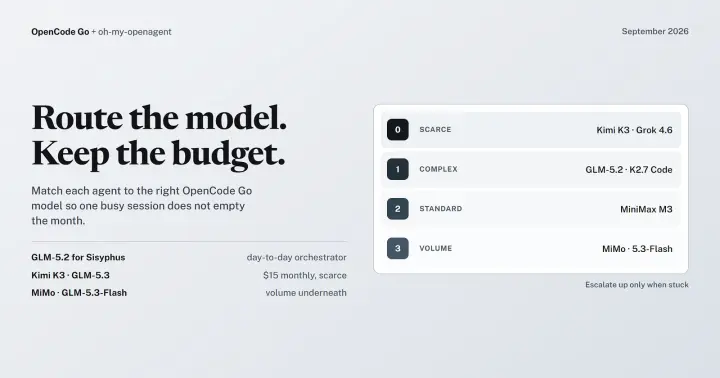
OpenCode Go + oh-my-openagent: The Complete Guide to SOTA Model Routing Without Hitting Limits! [Updated: September 2026]
A tiered guide to routing OpenCode Go models across oh-my-openagent agents, with fallback chains and budgeting to avoid hitting rate and monthly limits.
Comments
No comments yet. Start the conversation.
Comments couldn't load right now.