Day 15 of #DistributedDilemmas: Distributed logging creates more noise than signal
Distributed logging creates more noise than signal. Modern distributed systems face two critical logging challenges: 1. Data overload from scattered logs…
 Jatin Kumar Malik First published on
 X
Modern distributed systems face two critical logging challenges:
- Data overload from scattered logs (noise drowning signal)
- Centralized bottlenecks from monolithic log aggregation
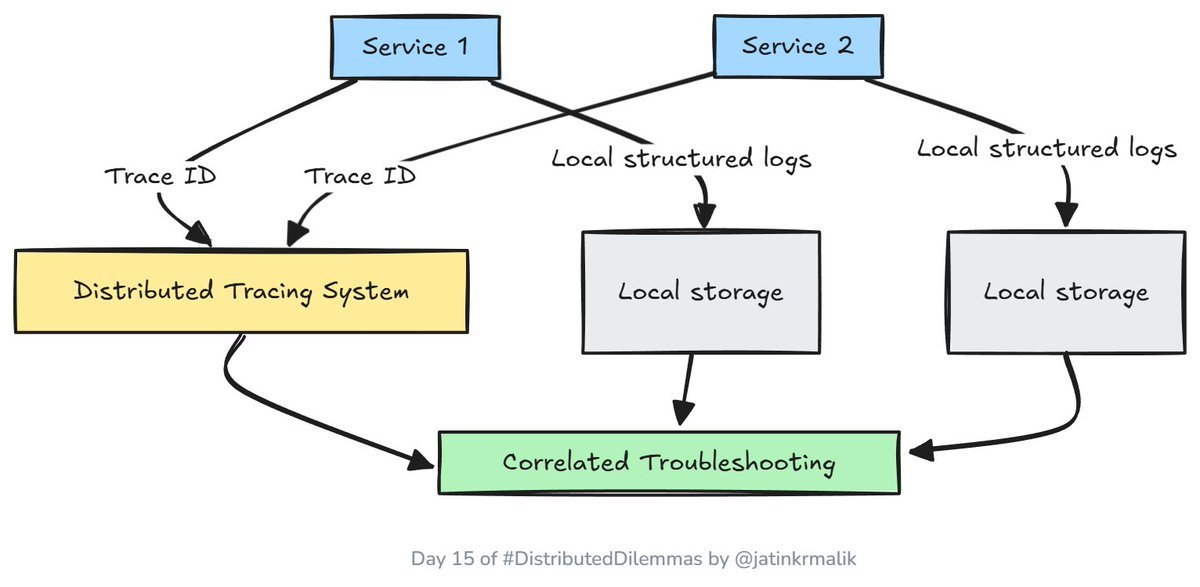
The solution lies in hybrid observability combining local, structured logging with distributed tracing.
Why distributed logging fails:
-
Context collapse: 78% of engineers report losing critical request context when logs are fragmented across services.
-
Alert fatigue: Traditional log aggregation increases noise as 1GB of logs typically contains <100KB of actionable data.
-
Query limitations: Cross-service log correlation requires complex joins (avg. 7.2s latency per troubleshooting session)
Best Practices for Modern Logging:
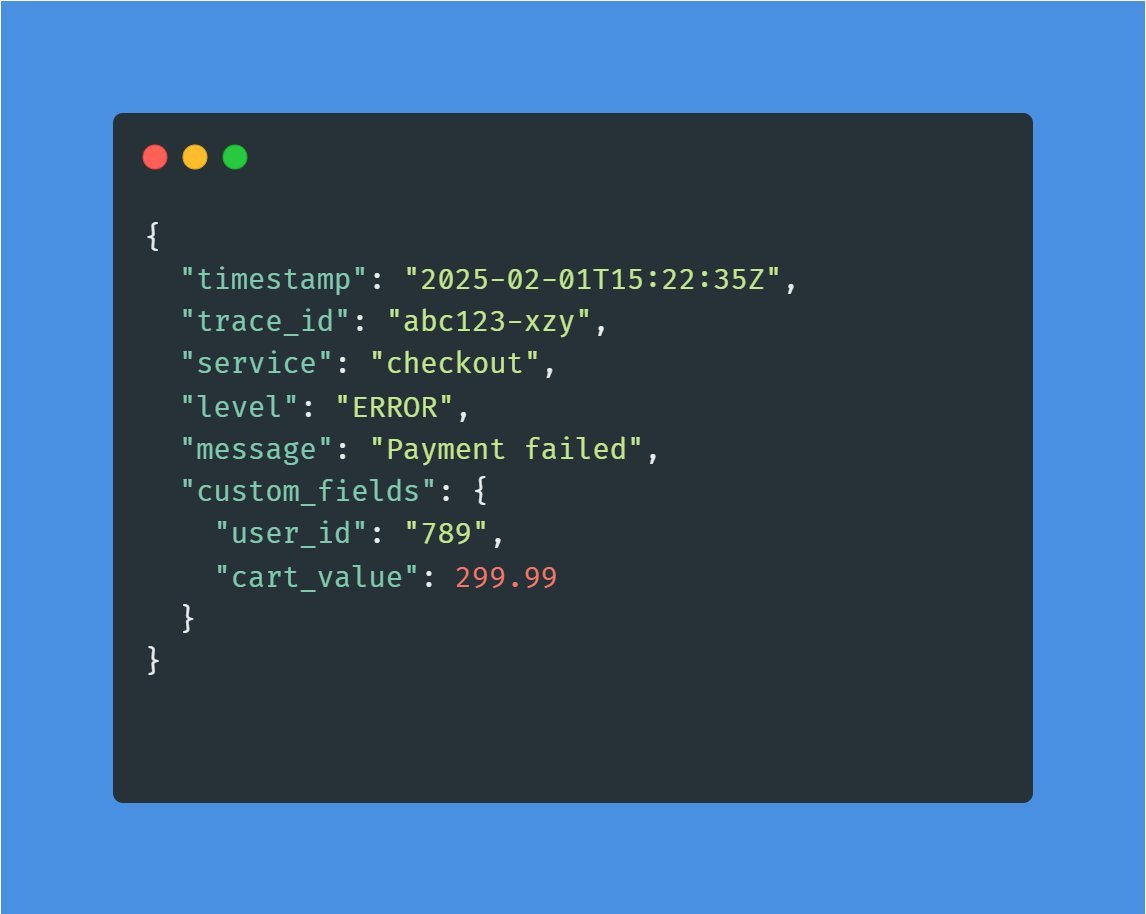
Structured logging essentials:
Deployment checklist:
- Embed trace IDs in all log entries.
- Implement tiered retention policies:
a. 7 days local storage
b. 24 hours central cache
c. 30 days cold archive
- Use edge filtering to discard <2% useful logs before centralization.
- Enable log-to-trace bidirectional navigation in monitoring tools.
This approach maintains debugging fidelity while avoiding aggregation chokepoints. The key is making traces your primary investigation tool, with logs as supplemental evidence.
Keep reading
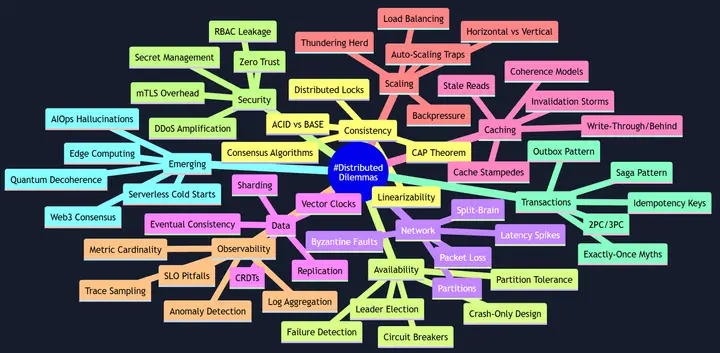
🚀 Launching today: 28 Days of #DistributedDilemmas
Follow me on Twitter/X this February for one battle-tested insight a day on the hidden complexities behind outages, tech debt and architectural nightmares.
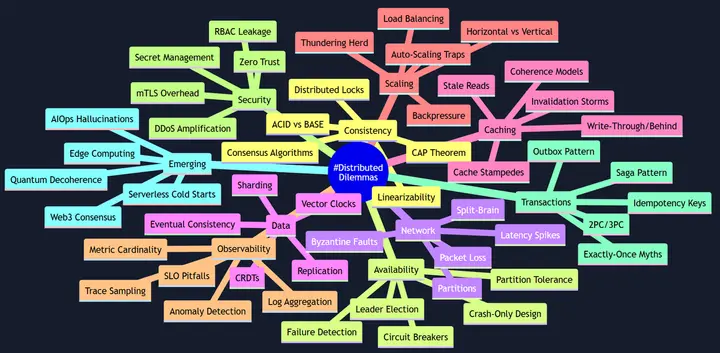
#DistributedDilemmas: all 24 days in one place
In February 2025 I posted one distributed systems dilemma a day on X. I made it to day 24. Here they all are, with the diagrams.
Cell-based architecture, explained: the public version of my Innovation Day talk
My Innovation Day deck was internal, so here's the public version: what a cell is, scaling up and across, blast radius, and what cells cost you.
Leave a comment