Day 18 of #DistributedDilemmas: Microservice authentication is a distributed minefield
Microservice authentication is a distributed minefield. While JWTs excel at decentralized authentication, they introduce authorization complexity due to…
 Jatin Kumar Malik First published on
 X
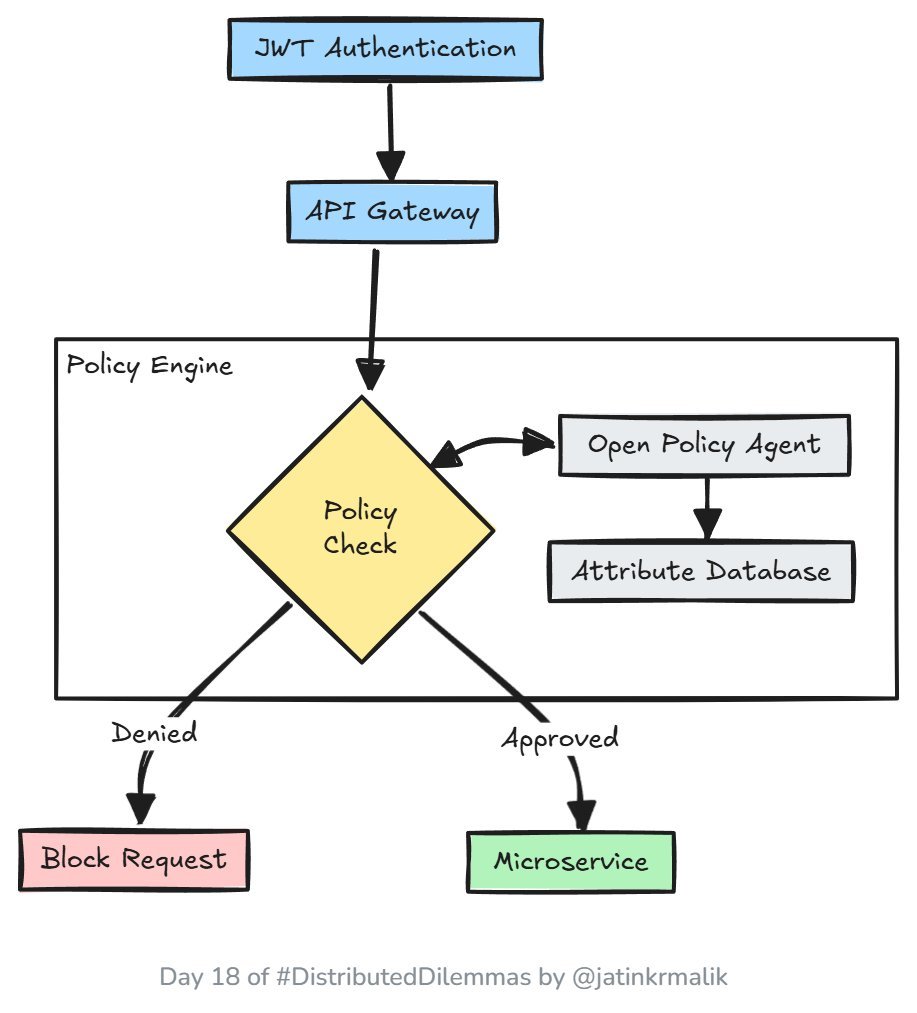
While JWTs excel at decentralized authentication, they introduce authorization complexity due to distributed policy enforcement.
Here’s how to design systems that address both challenges:
The JWT-Authentication Tradeoff
JWTs provide stateless authentication by embedding user claims in cryptographically signed tokens, eliminating centralized session storage. However, they create authorization gaps:
-
Hard-coded permissions in tokens become outdated as policies evolve.
-
Lack of runtime context (e.g., resource attributes, environmental factors) for dynamic decisions.
-
No centralized invalidation without complex token revocation mechanisms.
Read more: https://www.styra.com/blog/how-to-enforce-fine-grained-authorization-in-microservices/
Fine-Grained Authorization Pattern via Decentralized Policy Enforcement
Tools like Open Policy Agent (OPA) enable distributed authorization by:
-
Evaluating policies against JWT claims + resource attributes.
-
Caching frequent decisions to maintain microservice performance.
-
Supporting attribute-based rules (e.g., “Access only if user’s department matches resource owner”).
While JWTs solve authentication at scale, modern microservices require policy-as-code approaches like OPA to handle authorization’s inherent complexity. By separating cryptographic verification from contextual policy evaluation, teams achieve both security and operational agility.
Keep reading
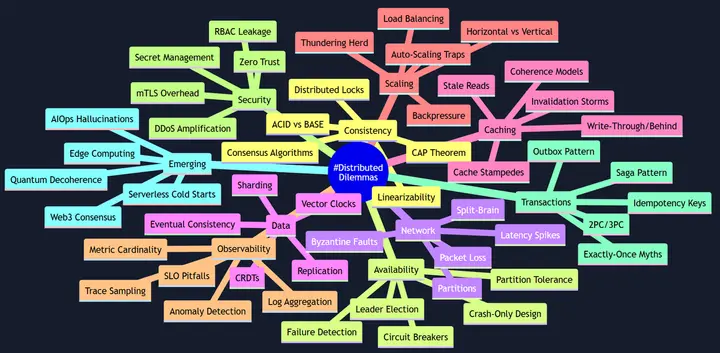
#DistributedDilemmas: all 24 days in one place
In February 2025 I posted one distributed systems dilemma a day on X. I made it to day 24. Here they all are, with the diagrams.
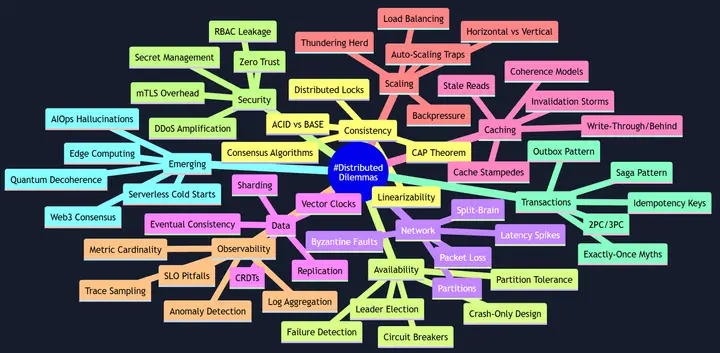
🚀 Launching today: 28 Days of #DistributedDilemmas
Follow me on Twitter/X this February for one battle-tested insight a day on the hidden complexities behind outages, tech debt and architectural nightmares.
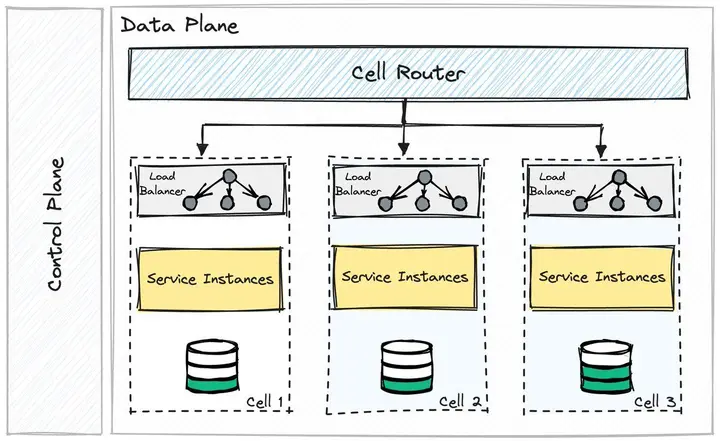
Cell-based architecture, explained: the public version of my Innovation Day talk
My Innovation Day deck was internal, so here's the public version: what a cell is, scaling up and across, blast radius, and what cells cost you.
Leave a comment