Day 17 of #DistributedDilemmas: Distributed cron jobs are a coordination nightmare
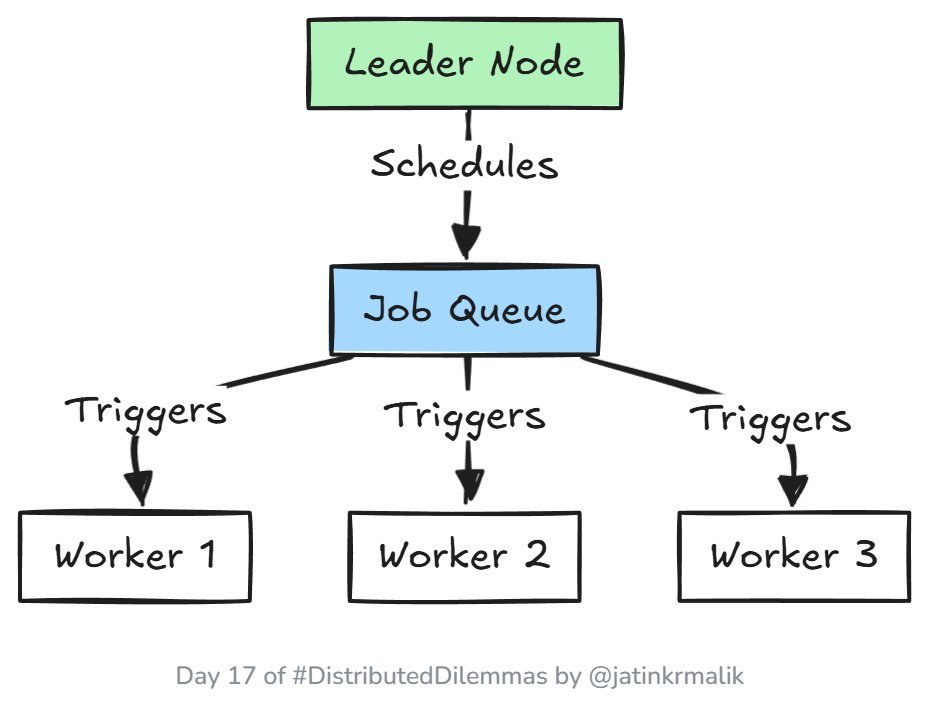
Distributed cron jobs are a coordination nightmare. Time drift and job duplication plague naive implementations. Consider distributed schedulers or…
 Jatin Kumar Malik First published on
 X
Time drift and job duplication plague naive implementations. Consider distributed schedulers or event-driven alternatives!
Core Challenges
-
Time Drift: Node clock discrepancies cause inconsistent job timing across distributed systems, leading to missed deadlines or premature executions.
-
Job Duplication
Naive implementations risk parallel execution of the same job across multiple nodes, causing data corruption and resource contention.
Robust Solutions
-
Distributed Consensus Protocols: Leader election via Paxos/Raft ensures only one node coordinates scheduling (Google’s approach: https://sre.google/sre-book/distributed-periodic-scheduling/)
-
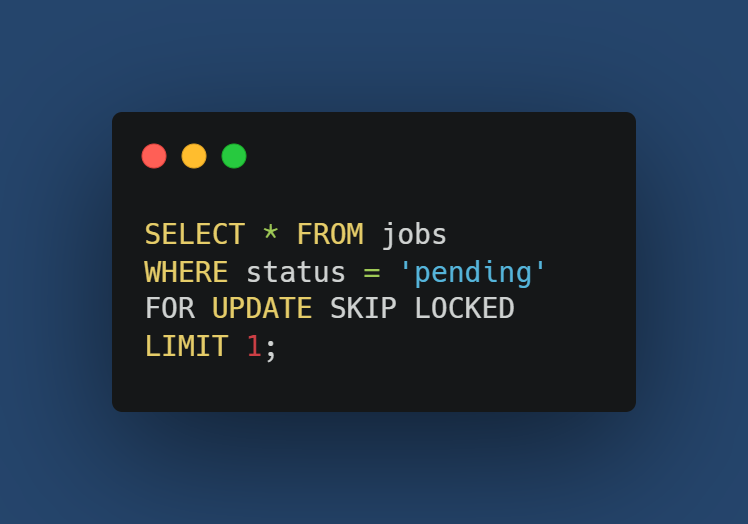
Locking mechanisms like SKIP LOCKED in SQL or advisory locks prevent concurrent execution.
For new implementations, consider event-driven architectures using tools like Apache Kafka or cloud-native schedulers (AWS EventBridge, GCP Cloud Scheduler) that handle distributed coordination inherently.
Keep reading
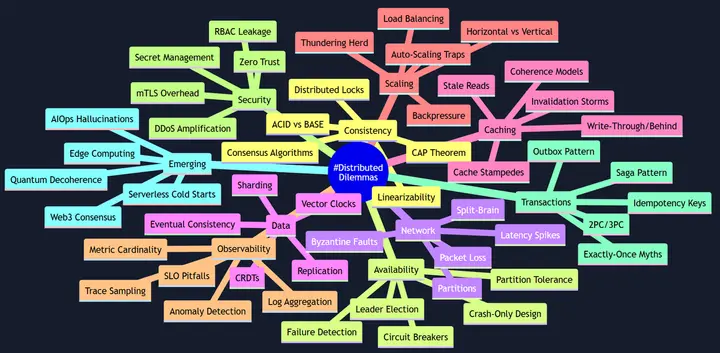
#DistributedDilemmas: all 24 days in one place
In February 2025 I posted one distributed systems dilemma a day on X. I made it to day 24. Here they all are, with the diagrams.
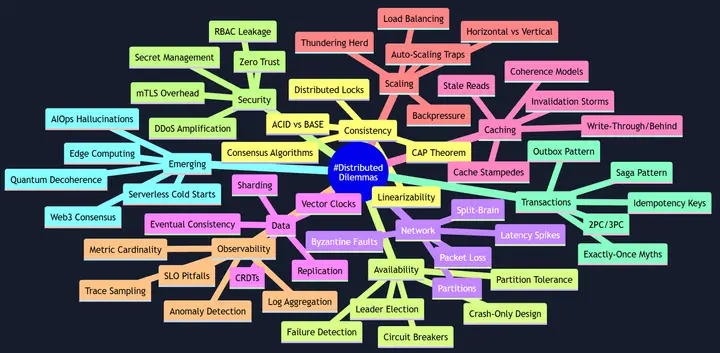
🚀 Launching today: 28 Days of #DistributedDilemmas
Follow me on Twitter/X this February for one battle-tested insight a day on the hidden complexities behind outages, tech debt and architectural nightmares.
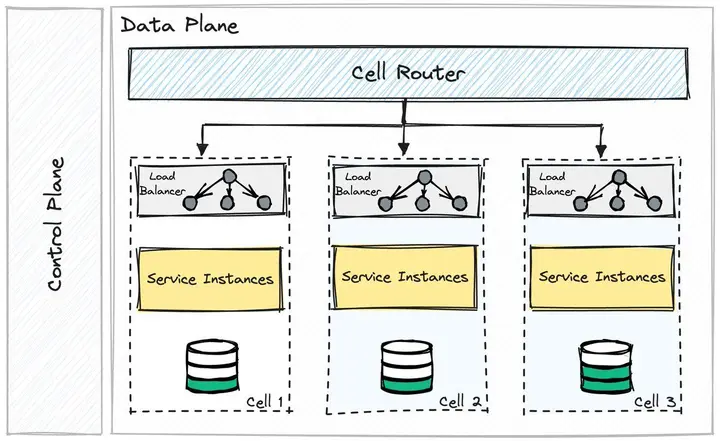
Cell-based architecture, explained: the public version of my Innovation Day talk
My Innovation Day deck was internal, so here's the public version: what a cell is, scaling up and across, blast radius, and what cells cost you.
Leave a comment