Series /
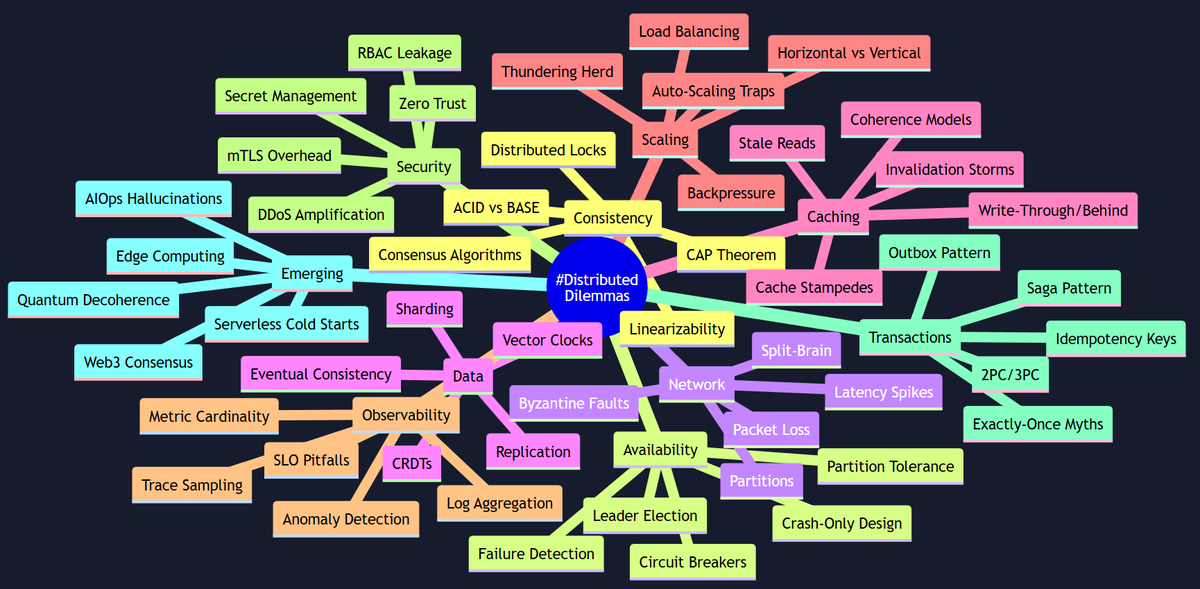
#DistributedDilemmas
One distributed systems dilemma a day, with a diagram: the hidden complexity behind outages, tech debt and architectural nightmares.
-
 Day 1 1 min read
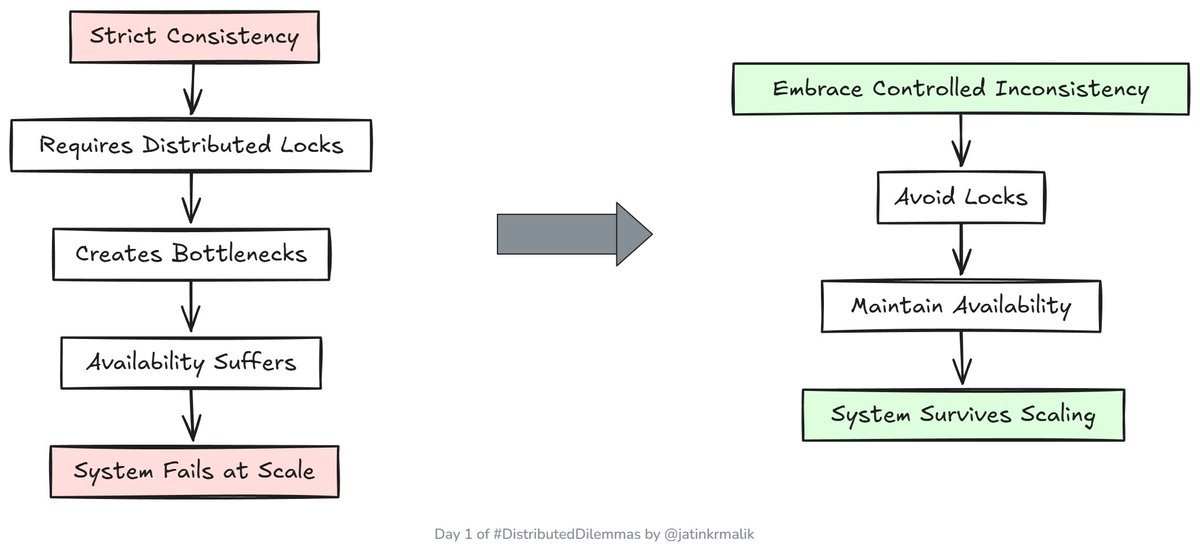
Consistency guarantees become availability nightmares Consistency guarantees become availability nightmares. Every distributed lock is a future bottleneck. Systems that embrace controlled inconsistency often…
-
 Day 2 1 min read
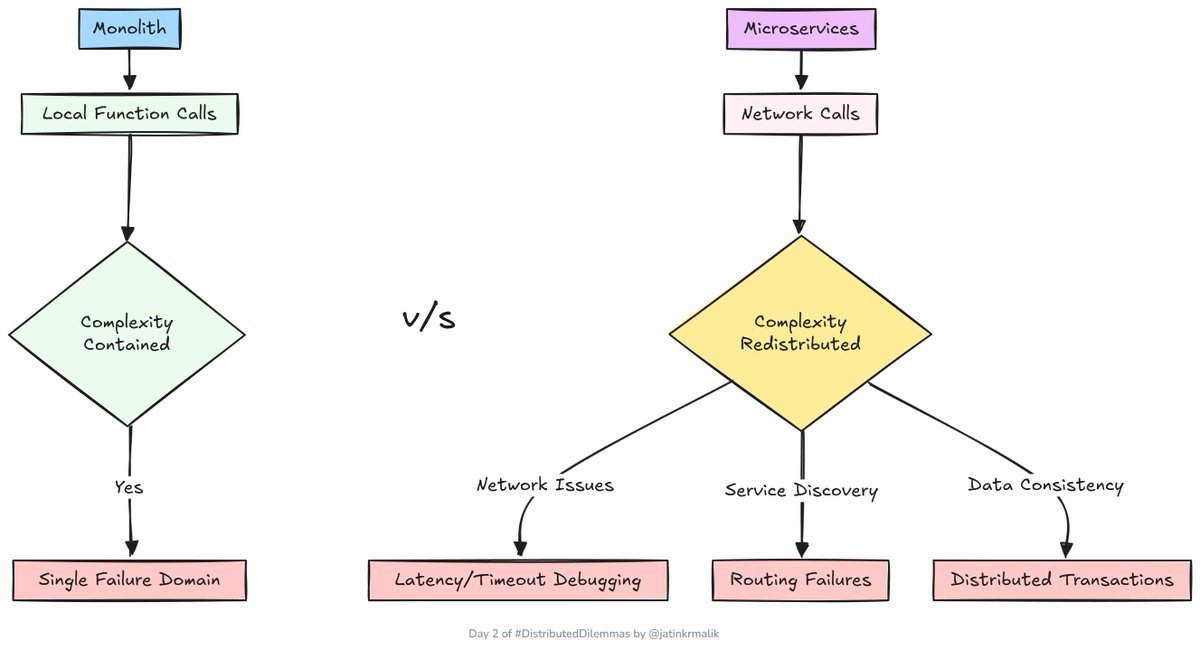
Microservices don't eliminate complexity, they redistribute it Microservices don't eliminate complexity, they redistribute it. Your monolith's function calls become network calls. Pick which failures you want to debug…
-
 Day 3 1 min read
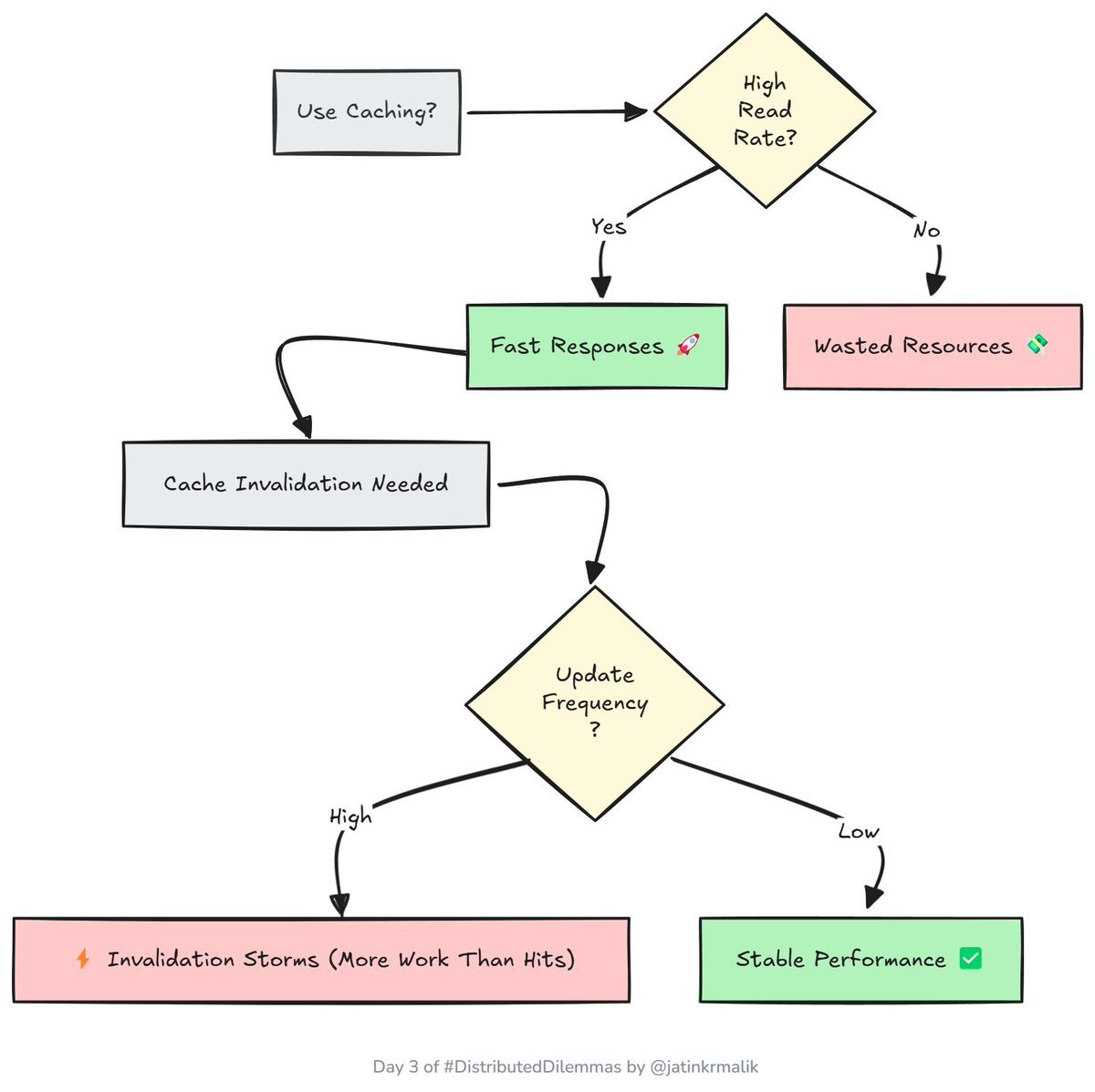
Caching accelerates inconsistency Caching accelerates inconsistency. Cache invalidation storms often outweigh hit rates. The fastest cache is sometimes no cache at all. Exhibit A: DoorDash…
-
 Day 4 1 min read
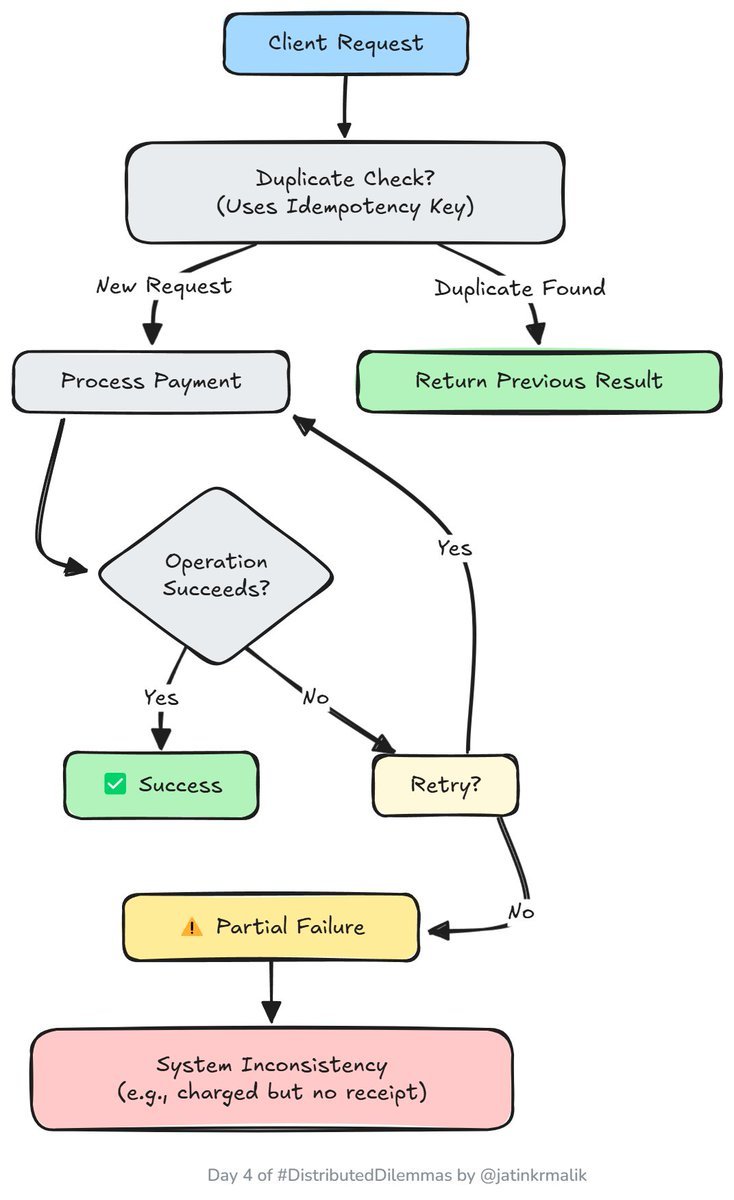
Idempotency is a lie we tell ourselves Idempotency is a lie we tell ourselves. Nested partial failures expose retry logic flaws. True exactly-once delivery remains elusive in distributed…
-
 Day 5 1 min read
Sharding decisions made today become tomorrow's scaling bottlenecks Sharding decisions made today become tomorrow's scaling bottlenecks. NoSQL's partitioning promises often cost more than vertical scaling. Distribution ≠…
-
 Day 6 1 min read
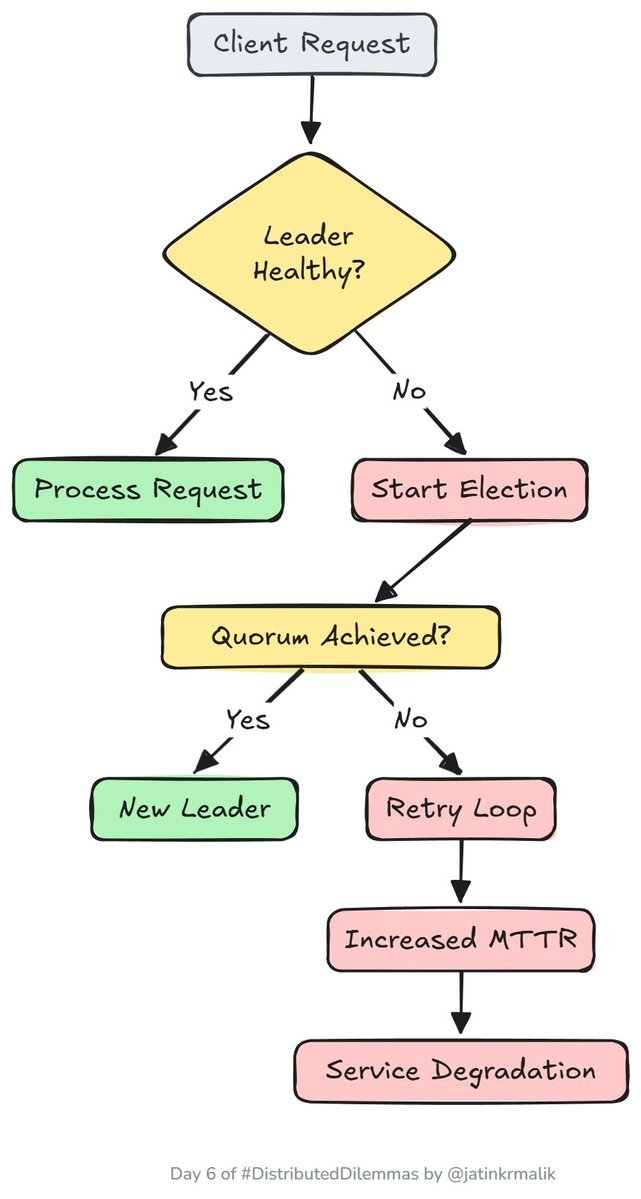
Leader election creates false security Leader election creates false security. Raft/Paxos implementations often have higher MTTR than the failures they aim to solve. Simplicity frequently beats…
- Day 7 1 min read
Network partitions heal dangerously Network partitions heal dangerously. Merging divergent states introduces subtle data corruption. CAP theorem isn't a choice, it's a law of nature in…
-
 Day 8 1 min read
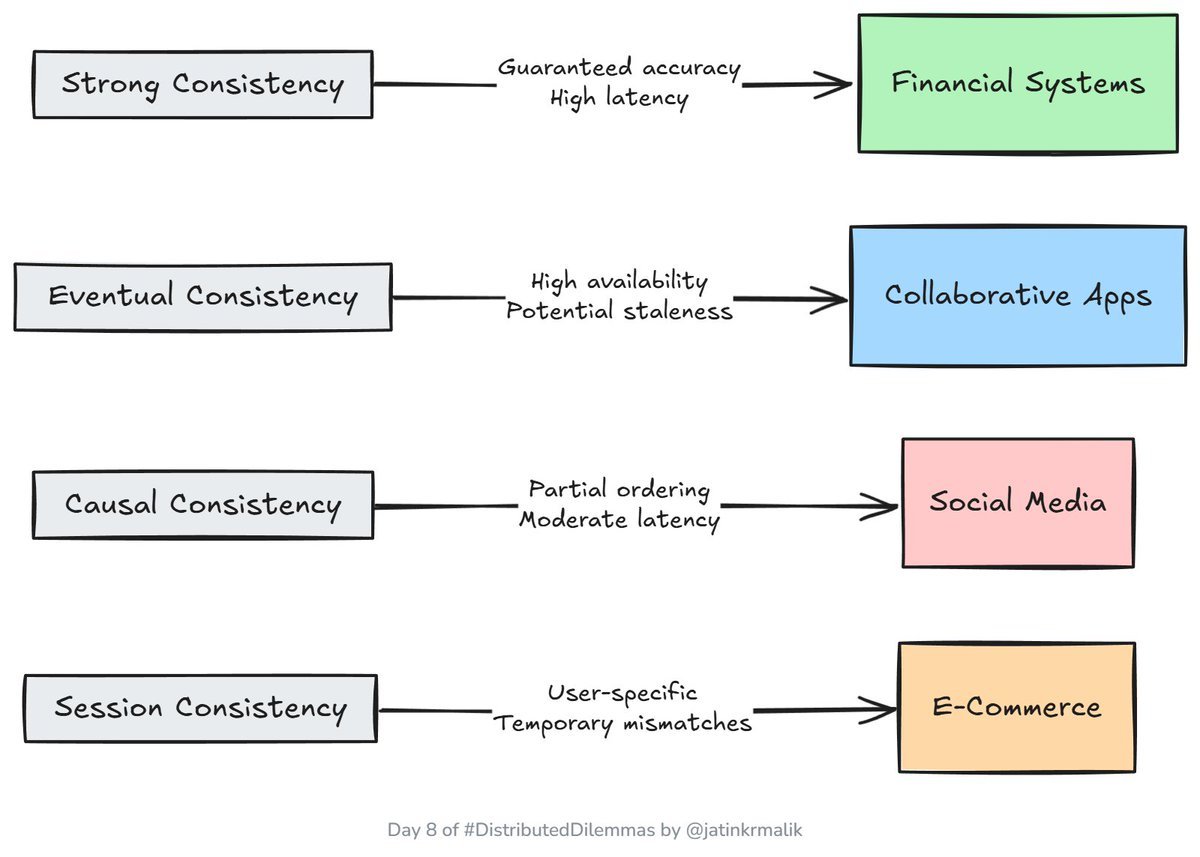
Eventual consistency is consistently misunderstood Eventual consistency is consistently misunderstood. CRDTs work better in whitepapers than in production. Real-world systems need a spectrum of consistency…
-
 Day 9 1 min read
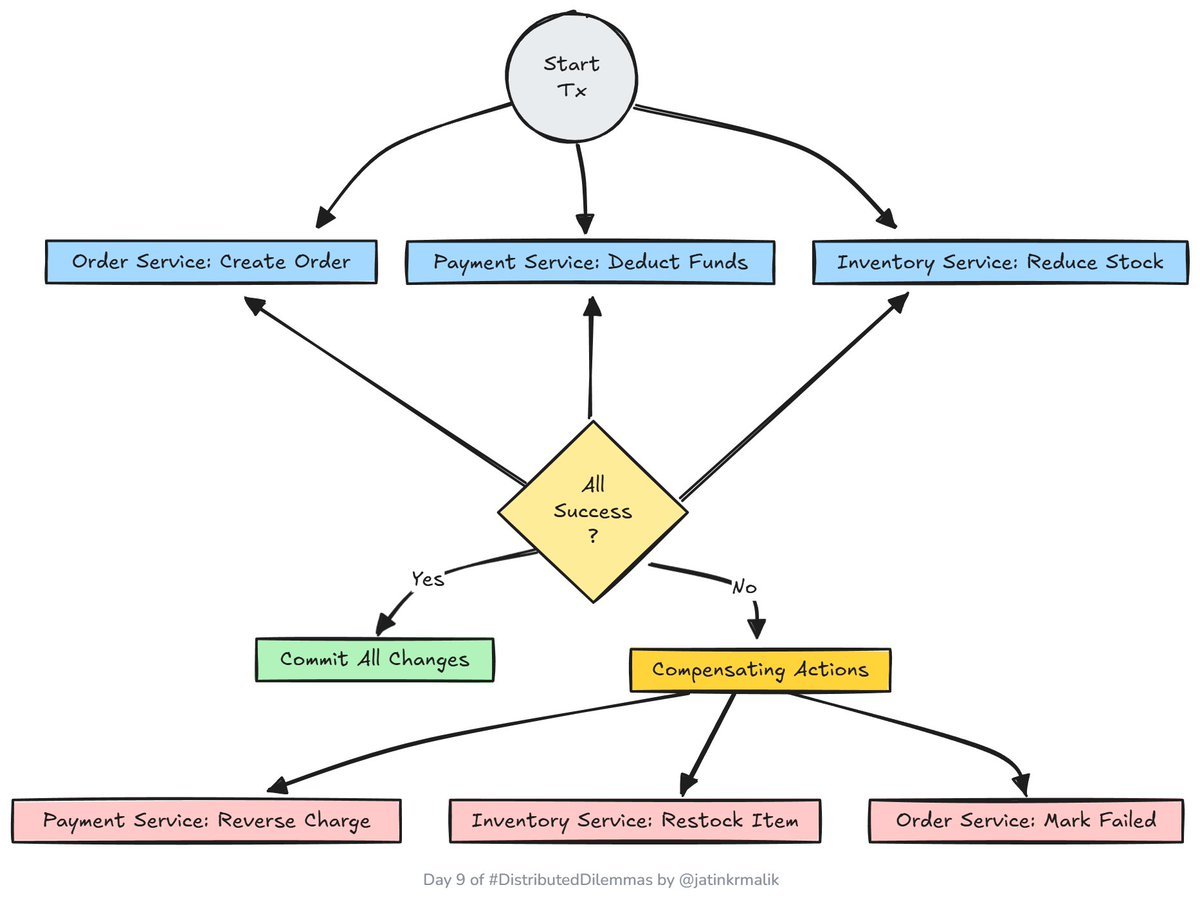
Distributed transactions are a myth at scale Distributed transactions are a myth at scale. Two-phase commit falls apart under network partitions. Design for compensation, not for distributed…
-
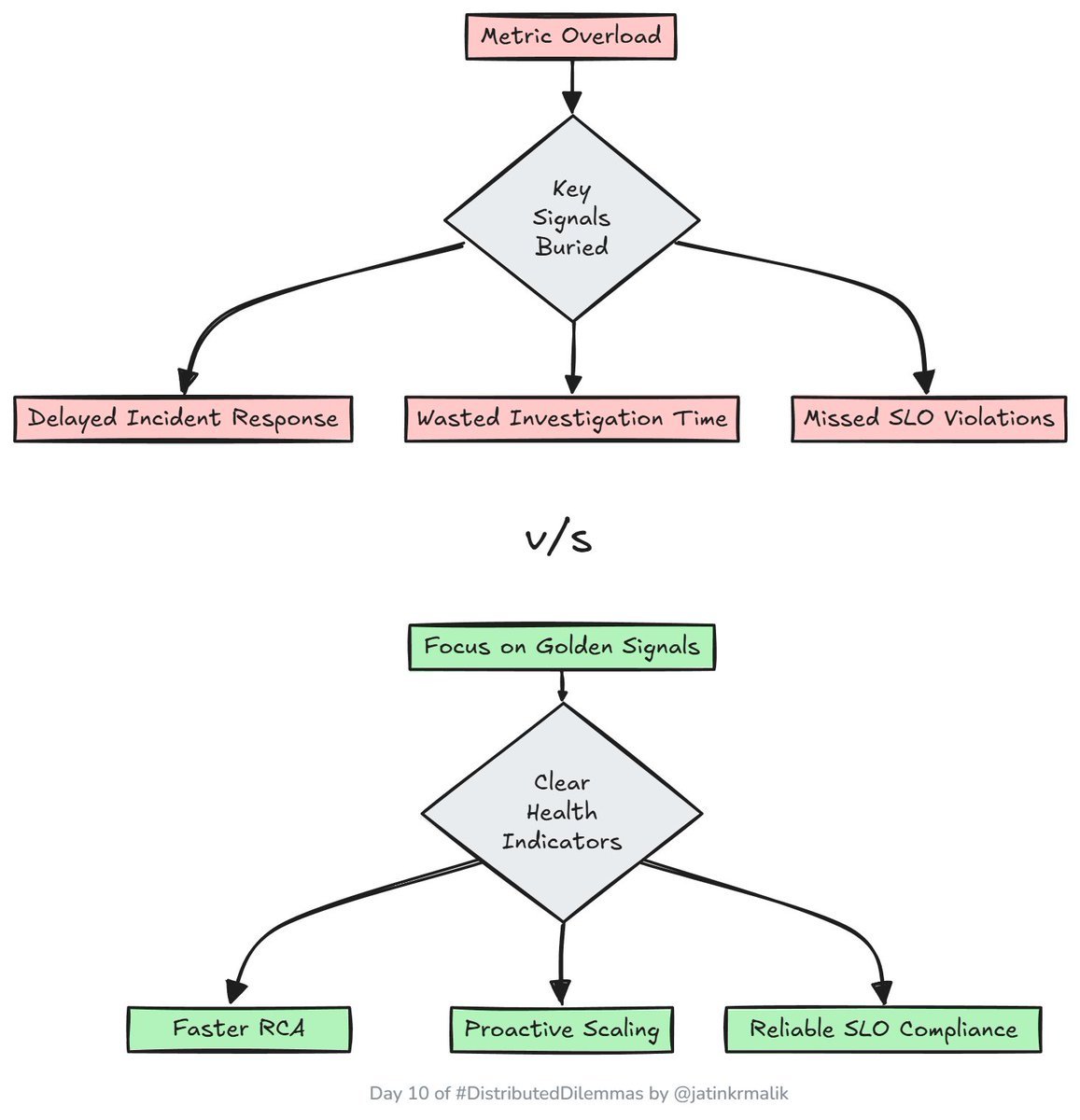 Day 10 1 min read
Observability becomes obscurity at scale Observability becomes obscurity at scale. More metrics often mean less visibility. Focus on the critical few signals that truly indicate system health!…
-
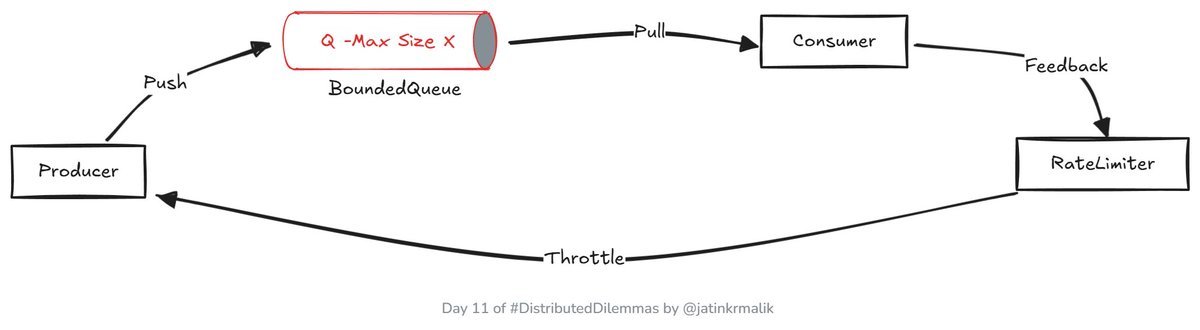 Day 11 1 min read
Queue-based architectures hide scaling issues Queue-based architectures hide scaling issues. Kafka topics with long retention become both a blessing and a curse. Backpressure beats unbounded queues!…
-
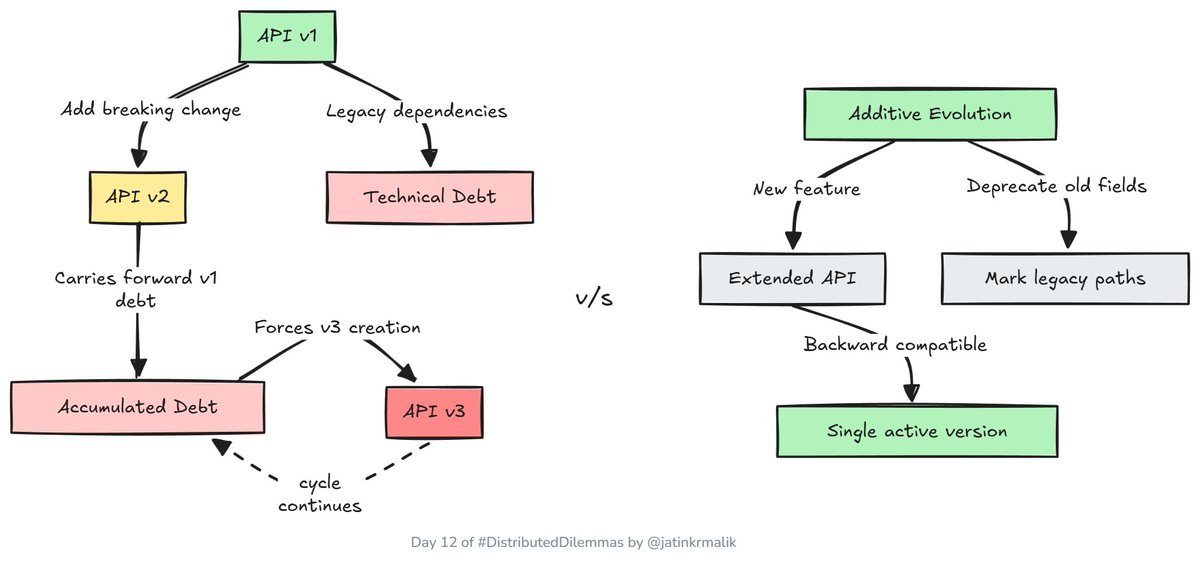 Day 12 1 min read
API versioning perpetuates distributed mistakes API versioning perpetuates distributed mistakes. v2 endpoints often carry v1's technical debt. Evolve APIs additively to avoid version hell.
-
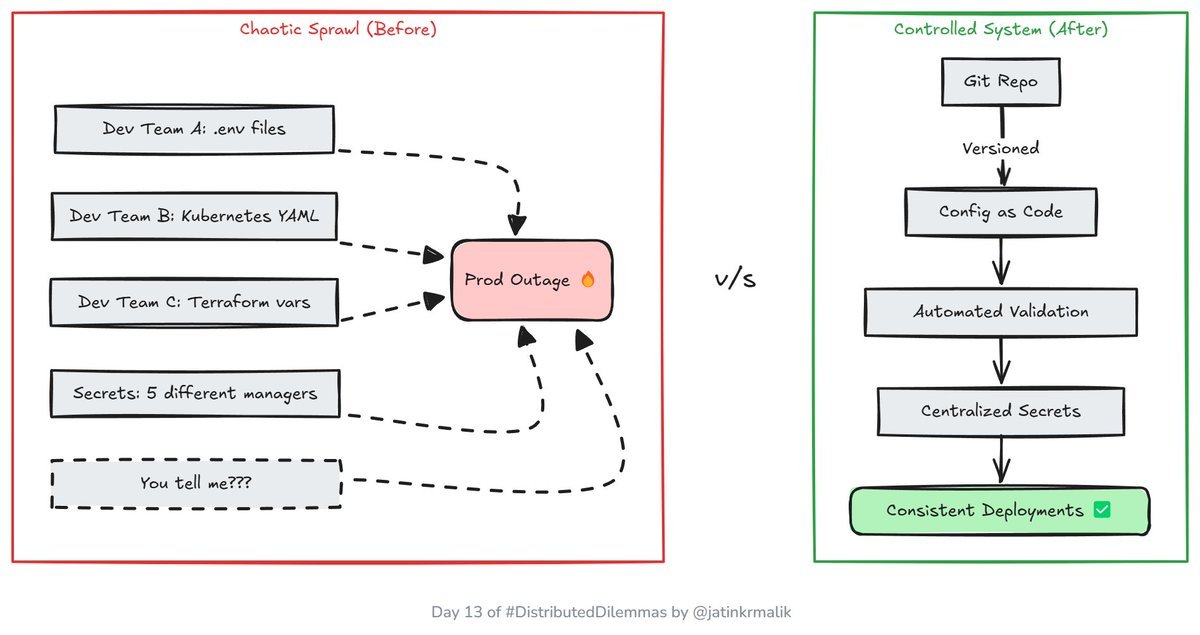 Day 13 1 min read
Configuration sprawl is the silent killer of distributed systems Configuration sprawl is the silent killer of distributed systems. Environment variables become unmanageable at scale. Treat config as code, not as an…
-
 Day 14 1 min read
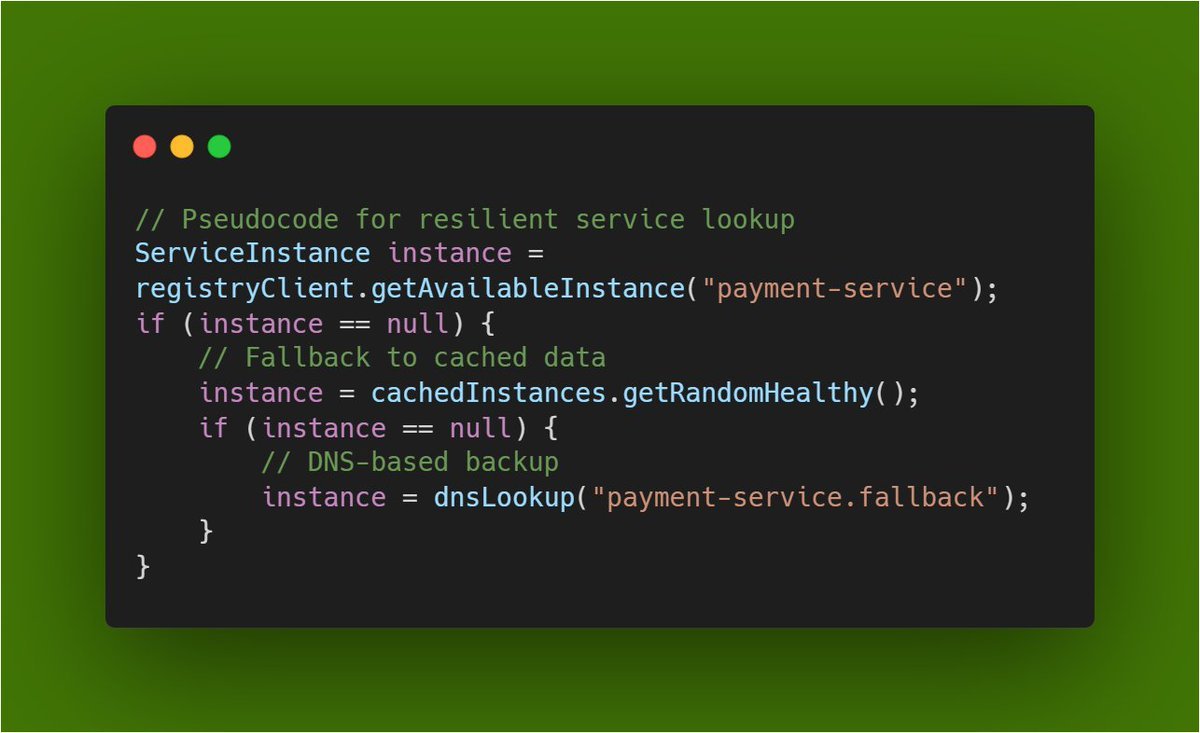
Service discovery often becomes a SPOT (single point of failure) Service discovery often becomes a SPOT (single point of failure). Your registry being unavailable shouldn't prevent finding the registry. Design for…
-
 Day 15 1 min read
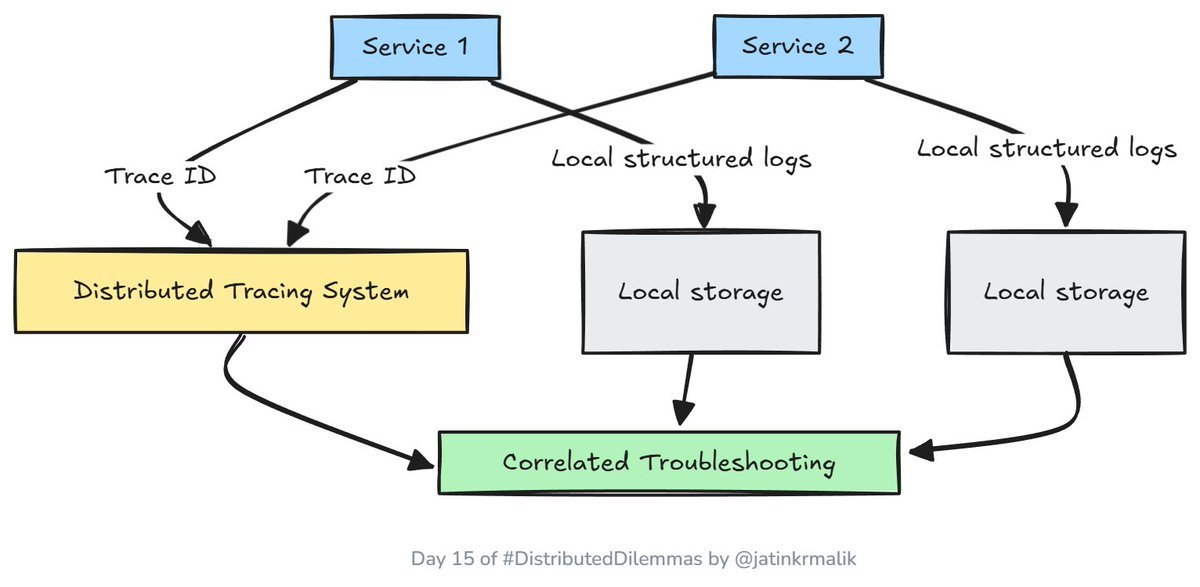
Distributed logging creates more noise than signal Distributed logging creates more noise than signal. Modern distributed systems face two critical logging challenges: 1. Data overload from scattered logs…
-
 Day 16 1 min read
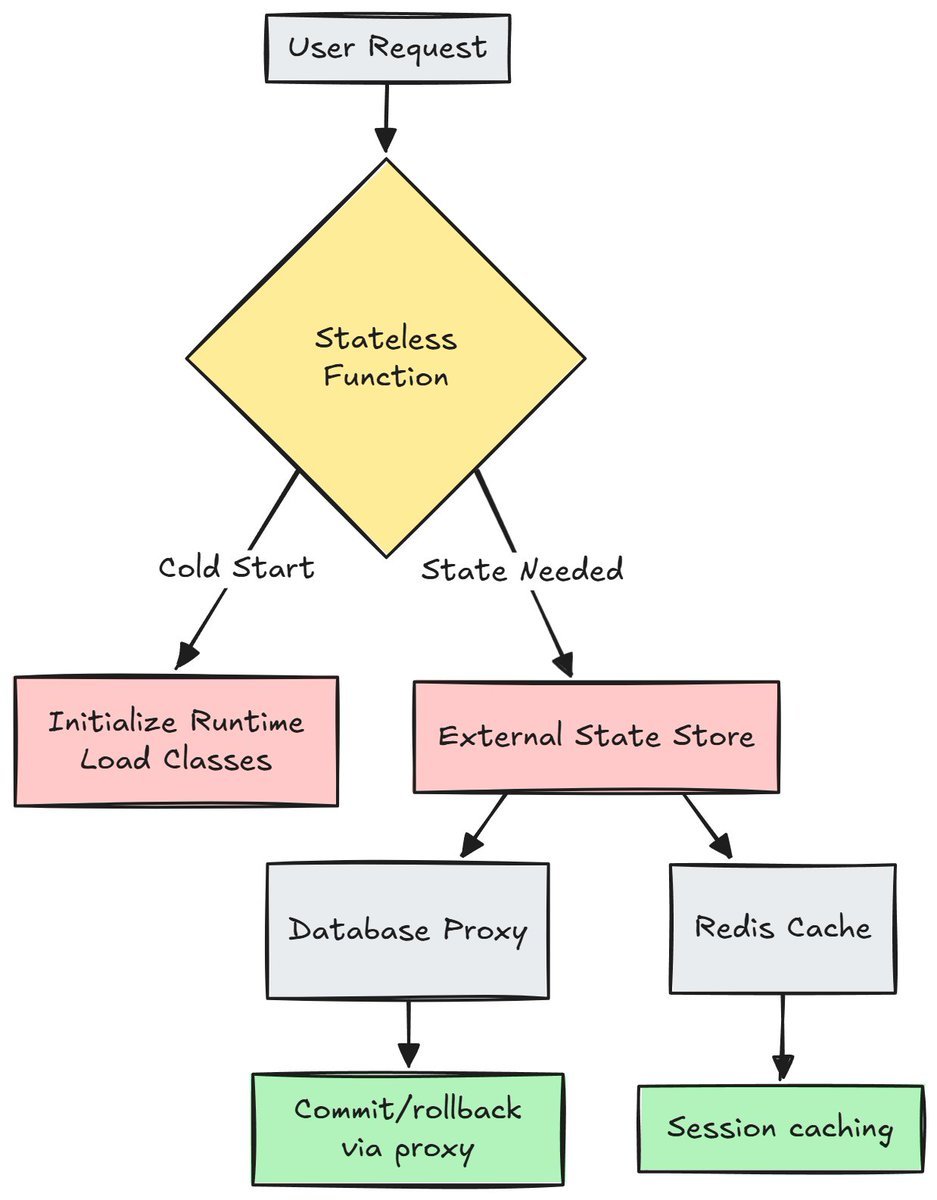
Serverless doesn't mean worry-free Serverless doesn't mean worry-free. Cold starts and hidden state create new classes of distributed problems. While offering auto-scaling and cost…
-
 Day 17 1 min read
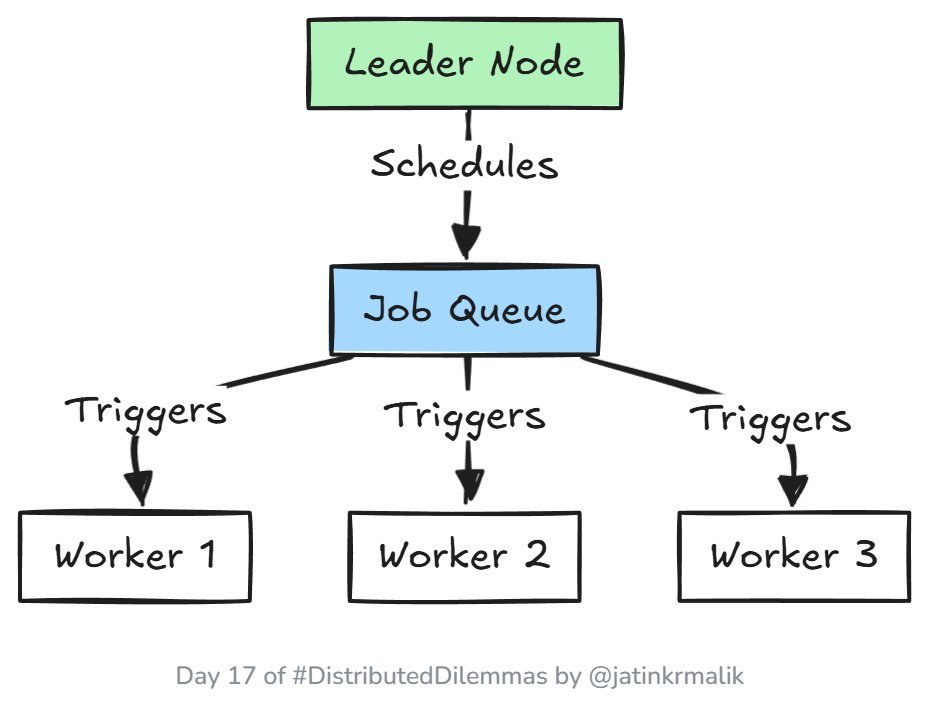
Distributed cron jobs are a coordination nightmare Distributed cron jobs are a coordination nightmare. Time drift and job duplication plague naive implementations. Consider distributed schedulers or…
-
 Day 18 1 min read
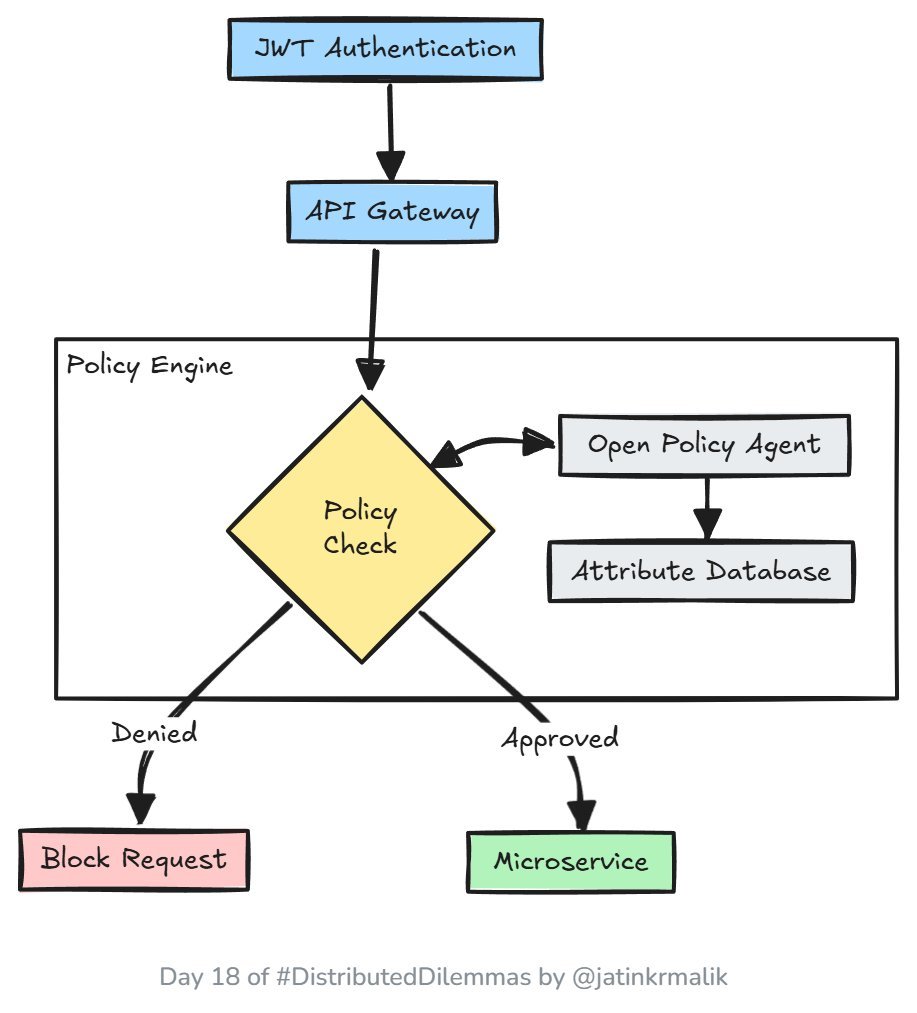
Microservice authentication is a distributed minefield Microservice authentication is a distributed minefield. While JWTs excel at decentralized authentication, they introduce authorization complexity due to…
-
 Day 19 1 min read
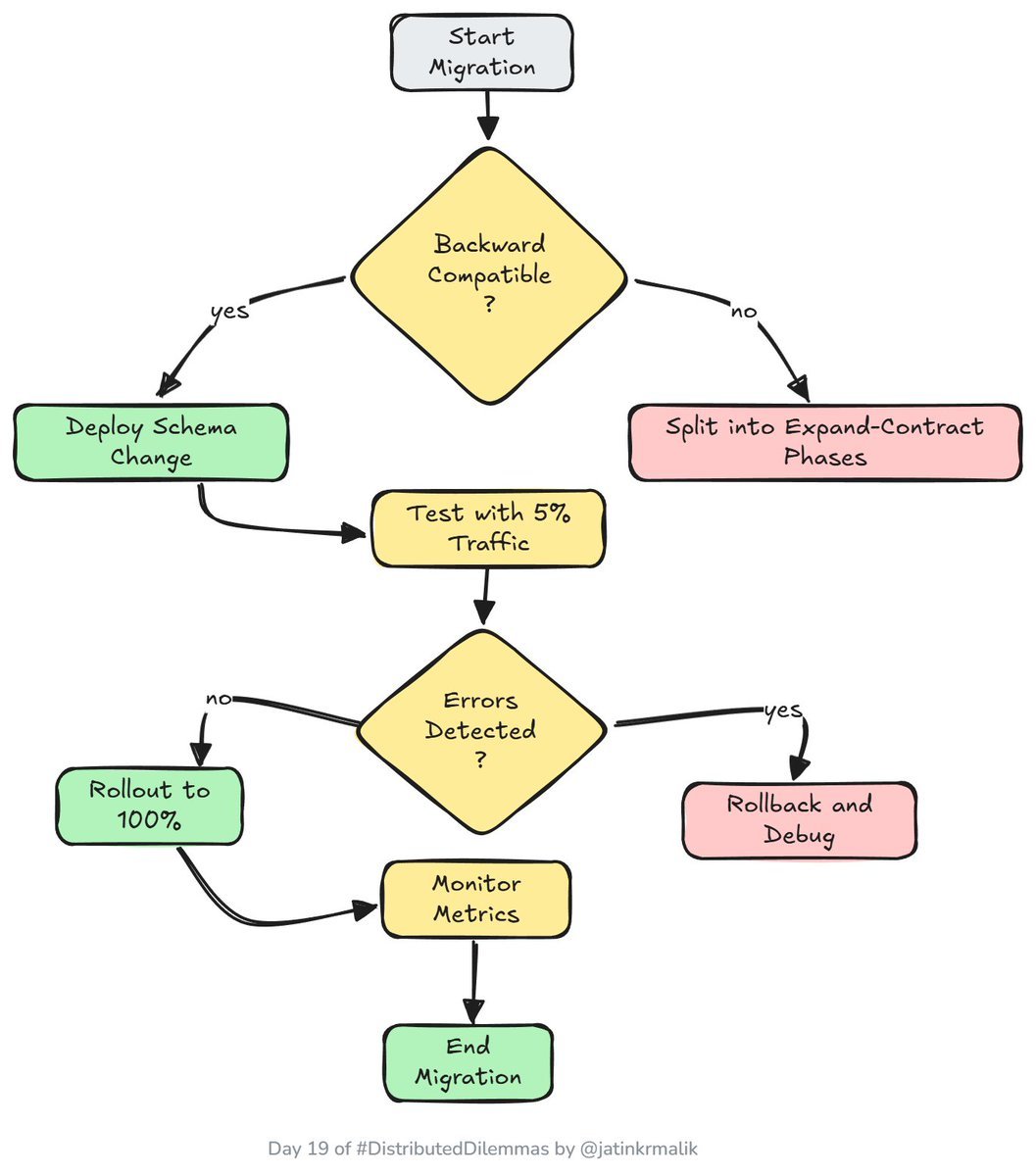
Database migrations in distributed systems require meticulous planning due to their inherent complexity Database migrations in distributed systems require meticulous planning due to their inherent complexity. Schema changes become distributed coordination…
-
 Day 20 1 min read
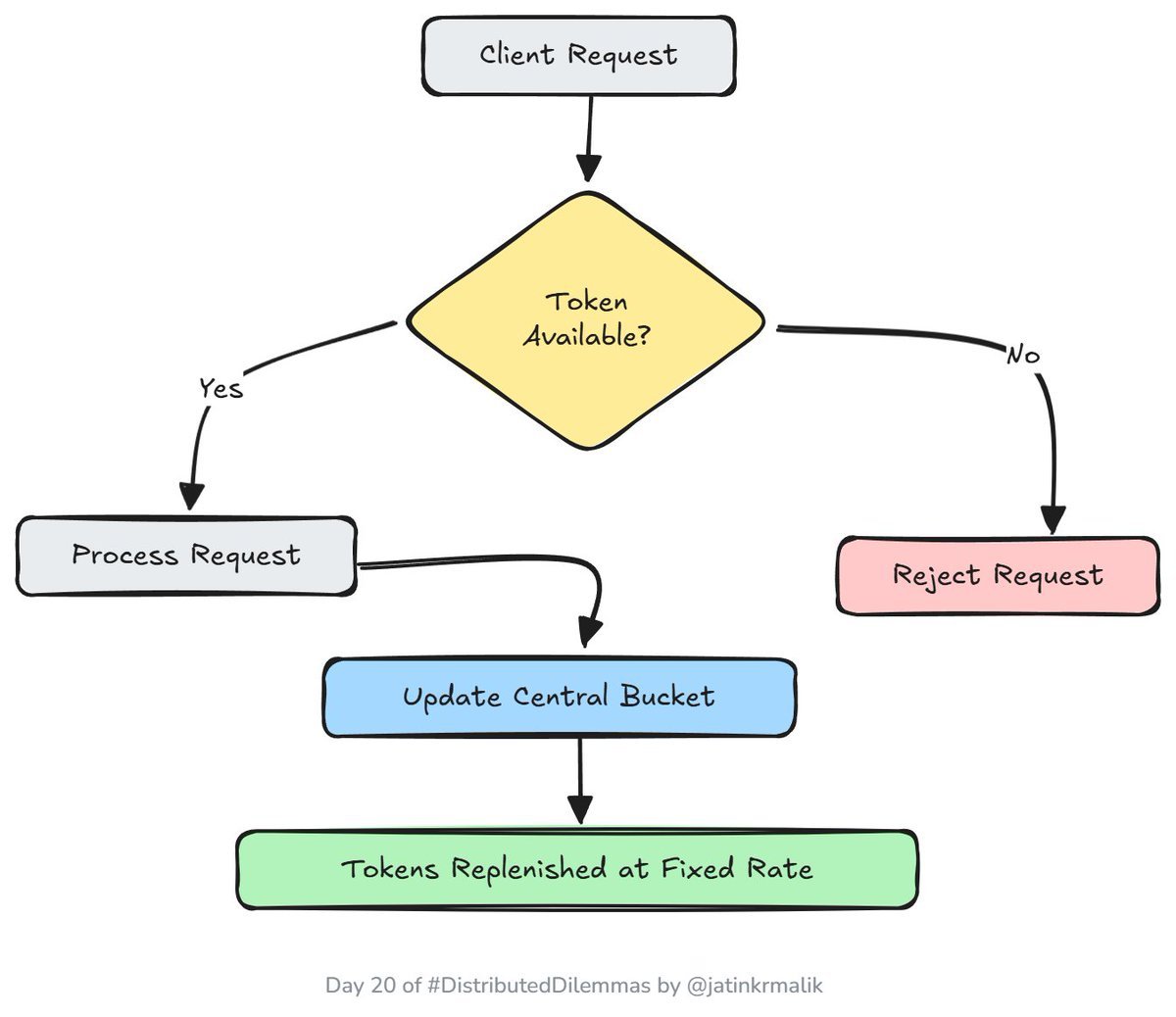
Distributed rate limiting is harder than it looks Distributed rate limiting is harder than it looks. Local rate limits don't prevent global abuse. Global protection requires coordination mechanisms like…
-
 Day 21 1 min read
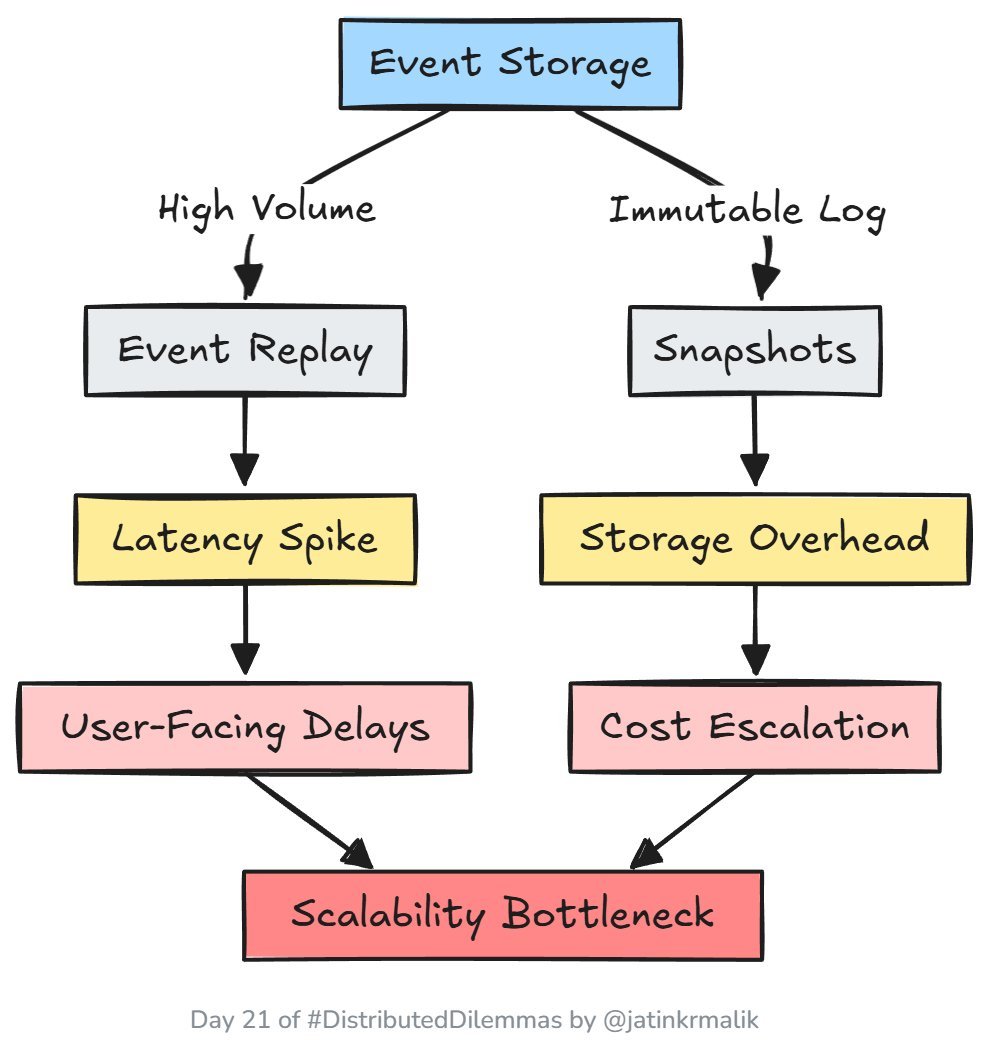
Event sourcing isn't a silver bullet for distribution Event sourcing isn't a silver bullet for distribution. Replay and snapshots become bottlenecks at scale. Design for efficient event storage and retrieval…
-
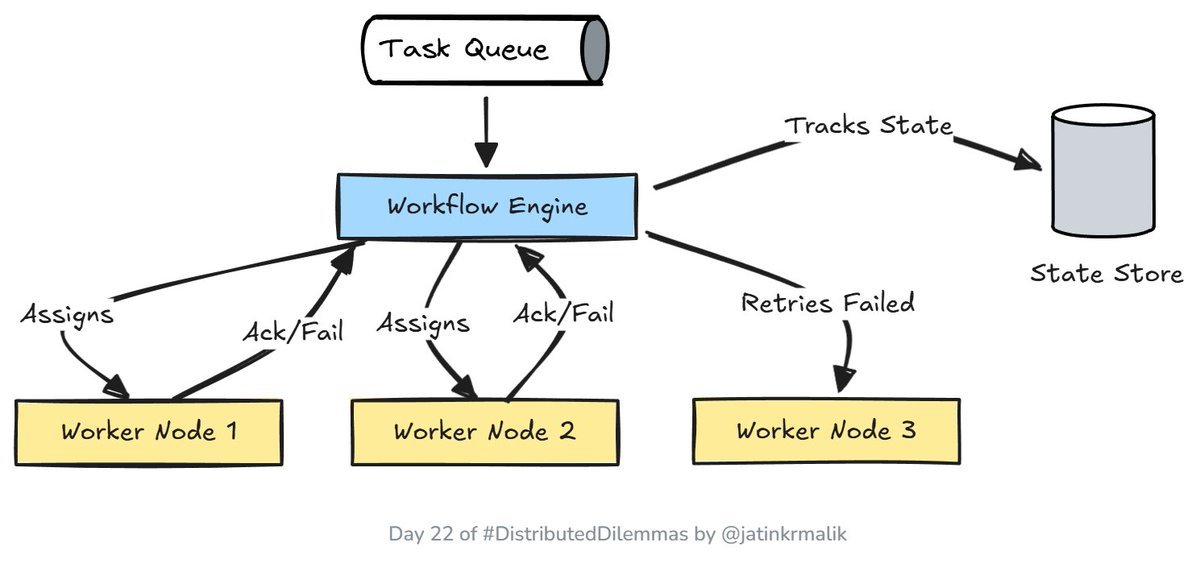 Day 22 1 min read
Distributed background jobs need careful orchestration Distributed background jobs need careful orchestration. While stateless architectures simplify scaling, they risk duplicate processing like Slack alerts…
-
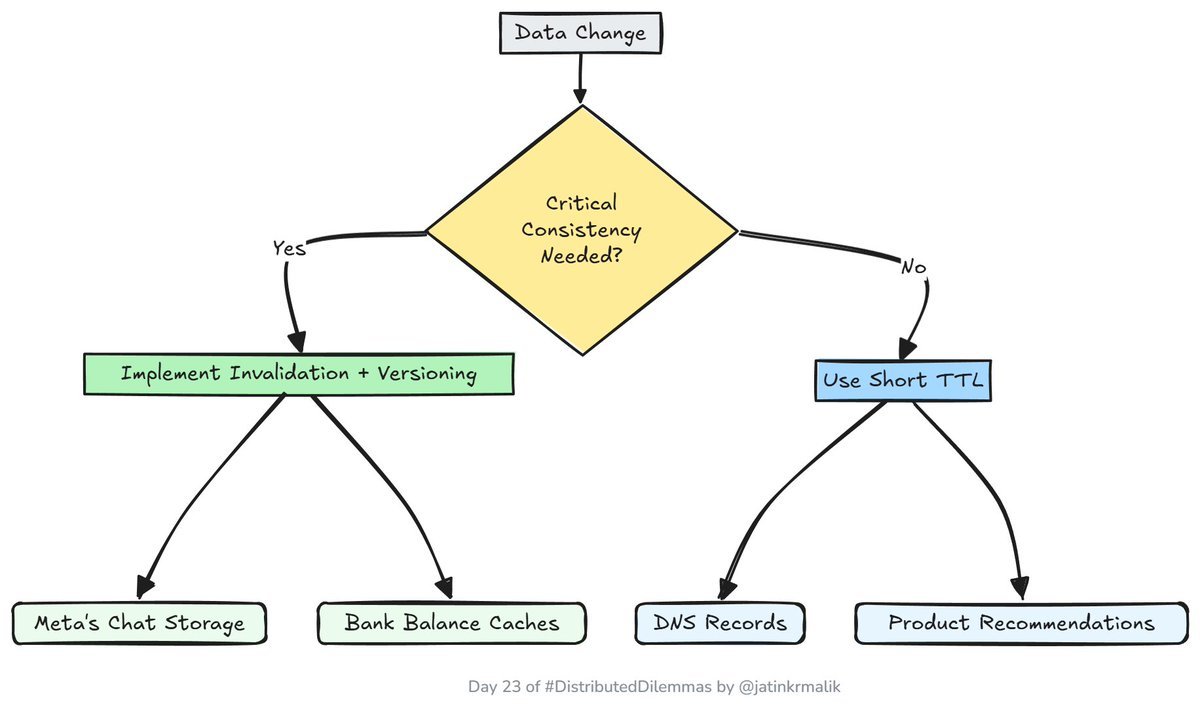 Day 23 1 min read
Distributed caching layers often become consistency nightmares Distributed caching layers often become consistency nightmares. As cache invalidation schemes attempt to maintain coherence, real-world implementations…
-
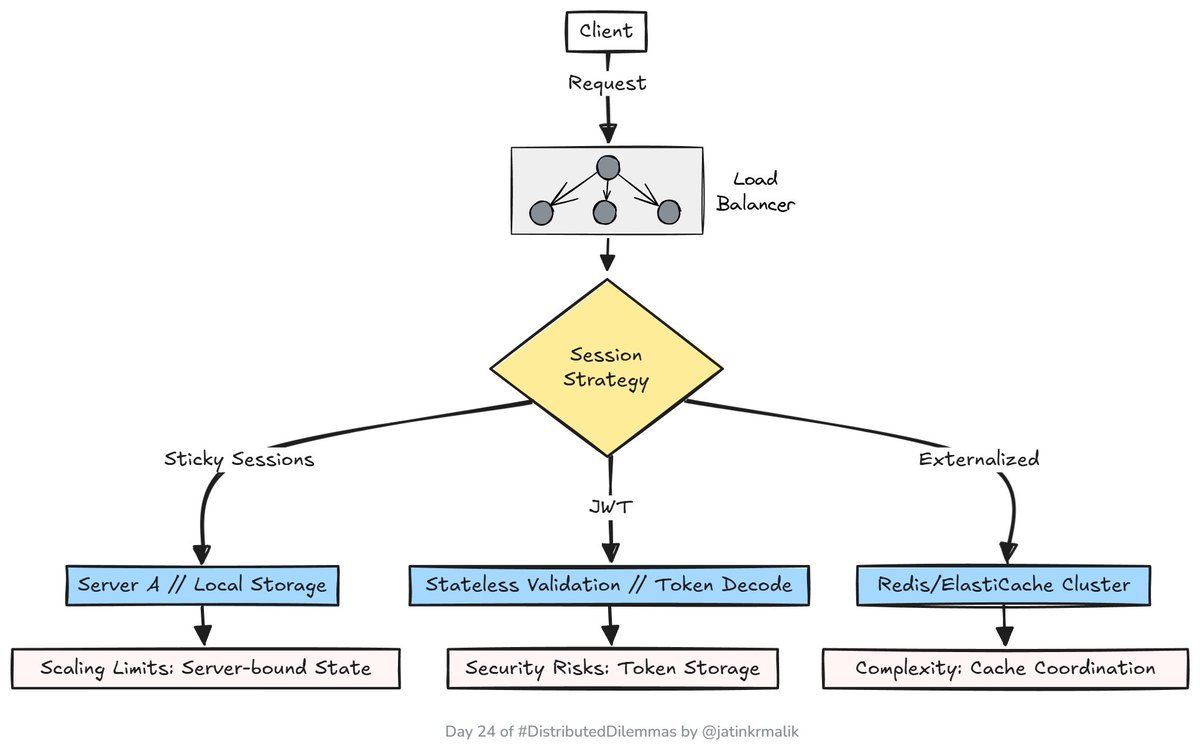 Day 24 1 min read
Distributed sessions are a persistent headache Distributed sessions are a persistent headache. Sticky sessions don't scale, but fully distributed sessions add complexity. Consider JWT or externalized…
Comments
No comments yet. Start the conversation.
Comments couldn't load right now.